 blog
Is Gourmet Comfort Food Worth It? A Real Cost Breakdown
Table of Contents
- What Makes Comfort Food Gourmet: The Real Difference
- Scratch Cooking Versus Frozen Food: Why It Matters
- Why Scratch-Made Food Costs More
- Benefits of Scratch Cooking: What You Actually Get
- Gourmet Versions of Classic Comfort Foods: Real Examples
- When Gourmet Comfort Food Is Actually Worth the Price
- The Verdict: Is Gourmet Comfort Food Worth It?
- Frequently Asked Questions
Last Updated: October 19, 2026
What Makes Comfort Food Gourmet: The Real Difference
Gourmet comfort food worth it takes the familiar dishes you grew up with and elevates them using premium ingredients, refined cooking techniques, and thoughtful presentation. It's not about making food complicated. It's about making it better.
The core difference between classic comfort food and gourmet versions comes down to three things: ingredient quality, preparation method, and attention to detail. A classic burger uses standard beef and a simple bun. A gourmet version might feature hand-ground beef from a specific breed, aged cheddar, house-made aioli, and a toasted brioche bun that's been brushed with herb butter.
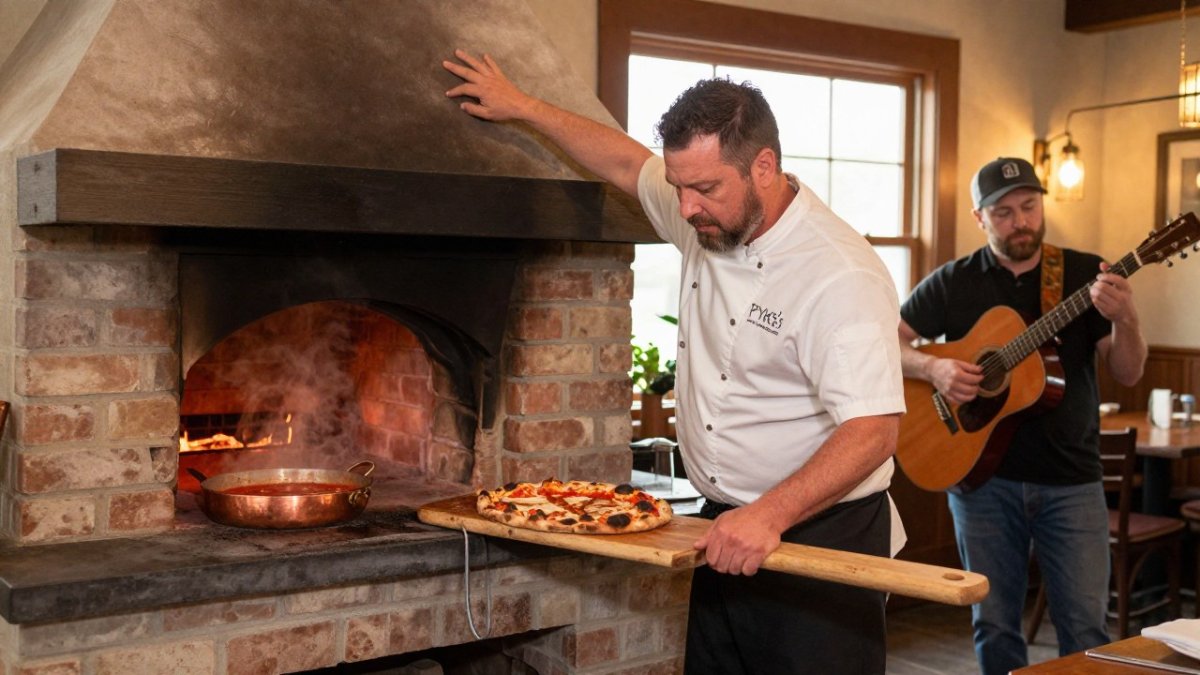
At Pyke's Crossroads Restaurant, we approach comfort food this way. Our 95% scratch kitchen means we control every element. We don't start with pre-made components or frozen bases. We build dishes from the ground up, which allows us to make choices that elevate traditional flavors without losing what makes them comforting in the first place.
What most people miss is that gourmet comfort food isn't pretentious. It's the opposite. It respects the original dish while making it taste better. A gourmet mac and cheese still delivers that warm, creamy satisfaction you want. It just uses real Gruyère instead of processed cheese, fresh pasta instead of dried, and a touch of truffle oil for depth.
Scratch Cooking Versus Frozen Food: Why It Matters
Scratch cooking and frozen food represent two fundamentally different approaches to feeding people. Understanding this distinction matters because it directly affects what ends up on your plate.
Scratch cooking means starting with raw ingredients. A chef buys fresh beef, grinds it, seasons it, and forms patties. They make sauces from stock and fresh herbs. They bake bread from flour, water, and yeast. Every component is made fresh, in-house, when the dish is ordered.
Frozen food takes the opposite path. Dishes are prepared in bulk, frozen, and reheated. This approach prioritizes consistency and speed. The food tastes the same every time because the recipe never changes. But the trade-off is texture, flavor depth, and freshness.
The practical difference shows up immediately when you taste it. Scratch-made dishes have brighter flavors and better texture. A scratch-made soup tastes like it was simmered for hours because it was. A frozen soup tastes like it was reheated because it was. The difference isn't subtle.
Why does this matter for gourmet comfort food? Because you can't elevate a frozen base. You can dress it up, but the foundation remains industrial. Scratch cooking gives you control. It lets you make intentional choices about every ingredient, every technique, every flavor note. That control is what separates good comfort food from gourmet versions.
Why Scratch-Made Food Costs More
This is the question that stops people. If scratch-made comfort food tastes better, why does it cost more? The answer isn't mysterious. It's straightforward economics.
Labor costs more. A frozen food operation rehears pre-made dishes. A scratch kitchen employs skilled cooks who spend time on preparation. Someone has to grind the beef, make the stock, bake the bread, and build each dish to order.
Premium ingredients cost more. Frozen food uses commodity ingredients optimized for cost and shelf stability. Scratch kitchens source better ingredients because the quality directly affects the final dish. Real Gruyère costs more than processed cheese.
There's no economy of scale. A frozen food manufacturer makes 10,000 units of the same dish. The fixed costs spread across volume. A scratch kitchen makes dishes one at a time, to order.
Waste is higher. Scratch kitchens work with whole ingredients. When you buy whole chickens, you pay for parts you might not use. When you make stock from bones, you're using what others discard.
The real cost breakdown depends on what you're ordering. A gourmet burger might cost more labor-intensive than a bowl of soup. A wood-fired pizza requires expensive equipment and skilled technique. A hand-crafted dish with multiple components costs more than something simple.
Here's what matters: you're not paying for the ingredients alone. You're paying for the skill, the care, and the freshness. You're paying for a chef who knows how to build flavor. That's worth understanding before you compare prices.
Benefits of Scratch Cooking: What You Actually Get
When you order from a scratch kitchen, you get something specific: control, freshness, and flavor that frozen food can't match.
Freshness is immediate. Scratch-made dishes are prepared when you order them. A burger is cooked to your preference. A pizza comes out of the oven minutes before it reaches your table. A sauce is made fresh that morning. You taste the difference instantly. Frozen food, even when reheated well, has sat in storage.
Flavor is deeper. Stock simmered for hours tastes richer than bouillon cubes. Fresh herbs taste brighter than dried. Hand-made pasta has a different texture than dried pasta from a box. A scratch kitchen compounds these small advantages. Every component is better, so the final dish is noticeably better.
Consistency comes from care, not from standardization. A frozen operation is consistent because the recipe never changes. A scratch kitchen is consistent because skilled cooks execute the same dish the same way, every time. The difference is subtle but real. One feels manufactured. The other feels intentional.
Customization is possible. Can't eat dairy? A scratch kitchen can modify a dish. Want extra garlic? They can do that. Have a specific preference? A scratch kitchen can accommodate it because they're building the dish from components, not reheating a frozen unit.
You support better practices. Scratch kitchens typically source ingredients more carefully. They buy from local suppliers when possible. They use whole ingredients, which means less packaging and less waste. The money you spend supports a different kind of food system.
Gourmet Versions of Classic Comfort Foods: Real Examples
The best way to understand gourmet comfort food is to see how it works in practice. Take familiar dishes and elevate them.
Mac and cheese. Classic version: elbow pasta, butter, flour, milk, and cheddar. Gourmet version: house-made cavatappi pasta, real Gruyère and Comté cheese, fresh thyme, a touch of white wine, and crispy breadcrumb topping. Same concept. Better execution.
Fried chicken. Classic: chicken pieces, seasoned flour, fried. Gourmet: brined chicken (which keeps it juicy), a spice blend that includes smoked paprika and fresh thyme, fried in oil that's been infused with aromatics.
Pot roast. Classic: beef, potatoes, carrots, onions, water or broth.
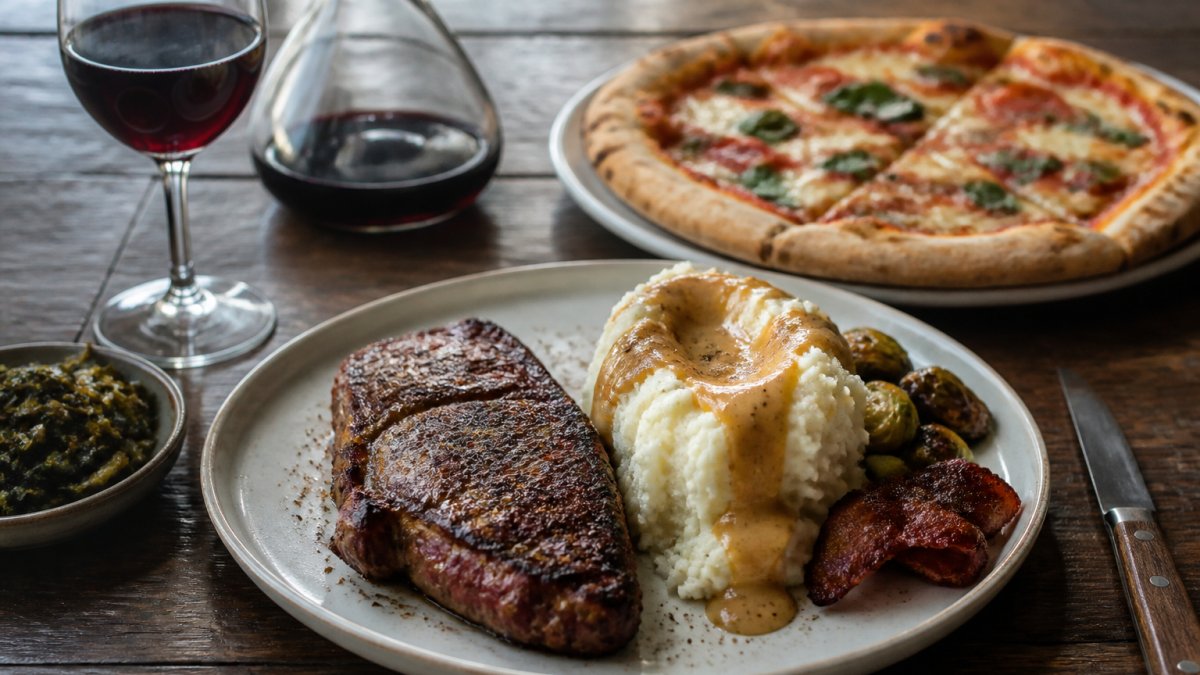
Pizza. Classic: dough, sauce, cheese, baked. Gourmet: dough made from high-quality flour, fermented for days to develop flavor, sauce from San Marzano tomatoes and fresh basil, fresh mozzarella and other premium cheeses, baked in a wood-fired oven at high temperature.
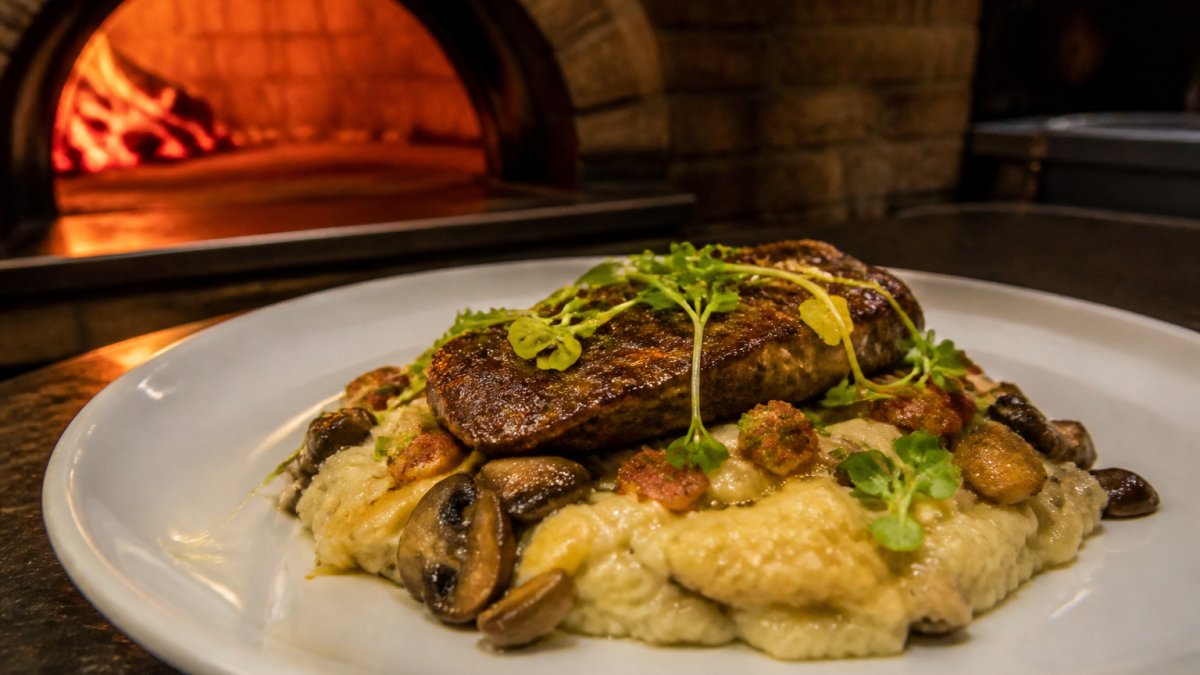
Soup. Classic: broth, vegetables, maybe some meat, seasoned and served.
The pattern is consistent: better ingredients, more careful technique, more time. The result is food that tastes significantly better than the classic version, while still being recognizable as the same dish.
When Gourmet Comfort Food Is Actually Worth the Price
This is the practical question. You understand the difference now. But when does that difference justify paying more?
When you're celebrating something. Anniversaries, special occasions, milestones, these are moments worth marking with better food. Gourmet comfort food tastes better, and that better experience becomes part of the memory. It's worth the cost because the occasion is worth it.
When you're tired of mediocre food. If you've been eating frozen or chain-restaurant food for a while, gourmet comfort food hits differently. The freshness and flavor are noticeable.
When you want to support better practices. Scratch kitchens typically care more about ingredient sourcing, waste reduction, and fair labor practices. If those things matter to you, the price supports values you believe in. That's worth something.
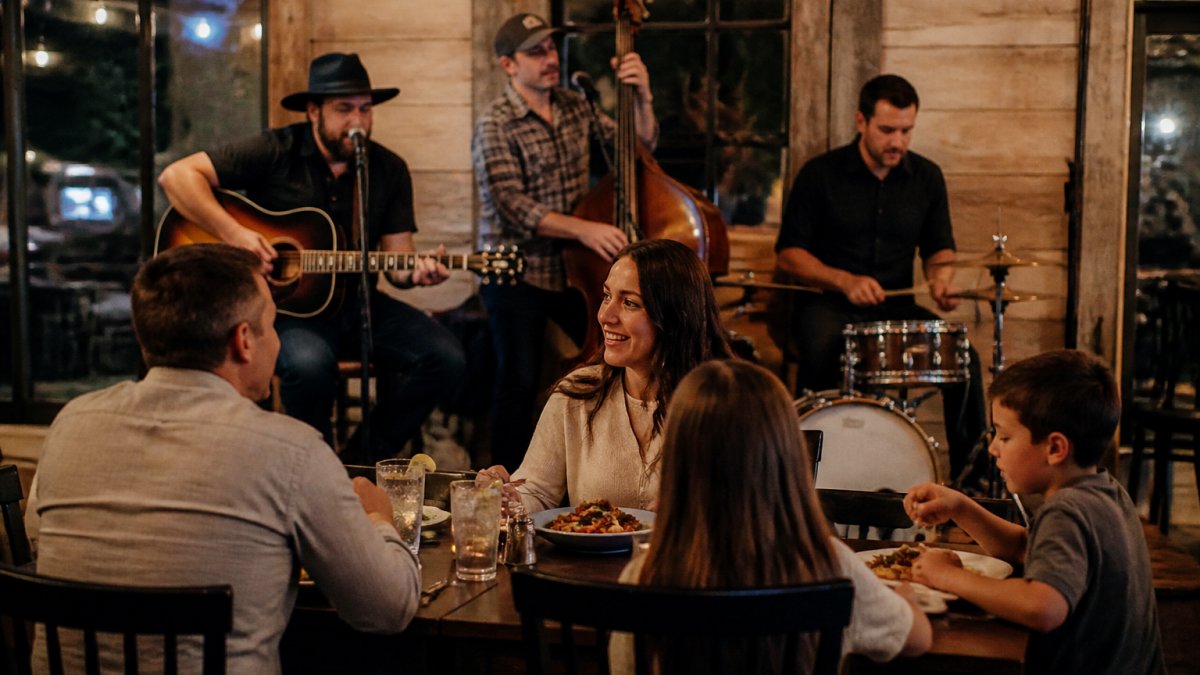
When you're sharing the experience. Food is social. A gourmet comfort food meal with people you care about creates a better experience than a mediocre meal would.
When consistency matters. If you're a regular customer, a scratch kitchen's consistency matters more. You know what you're getting. You trust the quality. That reliability has value.
Where gourmet comfort food might not be worth it: if you're eating alone and in a hurry, if budget is genuinely tight, or if you don't notice flavor differences. Not everyone values food the same way, and that's fine.
The honest answer is this: gourmet comfort food costs more because it's made better. Whether that's worth it depends on your circumstances and what you value.
The Verdict: Is Gourmet Comfort Food Worth It?
Yes, but with context. Gourmet comfort food is worth it when you understand what you're paying for and when it matters to you.
You're not paying for pretension. You're paying for freshness, better ingredients, and skill. A scratch kitchen costs more because every component is better and every dish is made with care. That's not a markup. That's the actual cost of doing it right.
The real question isn't whether gourmet comfort food is worth it in the abstract. It's whether it's worth it for you, in your situation, right now. For celebrations, for trying something genuinely good, for supporting better food practices, yes. For a quick lunch when you're in a hurry, probably not.
What most people miss is that you don't have to choose one or the other. You can eat gourmet comfort food sometimes and regular food other times. The point is understanding the difference so you can make intentional choices.
At Pyke's Crossroads Restaurant, we built our entire approach around this idea. Our 95% scratch kitchen exists because we believe comfort food is worth making well. Our wood-fired ovens, our focus on fresh ingredients, our live music and vibrant atmosphere, these choices cost more. But they create an experience that's genuinely better.
If you're curious about what gourmet comfort food actually tastes like, that's the point of trying it. One good meal can change your expectations. And sometimes, that's worth every penny.
Frequently Asked Questions
What makes comfort food gourmet?
Gourmet comfort food elevates familiar dishes through premium ingredients, careful technique, and thoughtful presentation while keeping the warm, familiar flavors you love. The difference lies in sourcing, fresh, house-made components instead of frozen or processed items, and execution. A gourmet mac and cheese might use aged cheddar and gruyère with house-made pasta, while a classic version uses boxed pasta and standard cheese. Both deliver comfort, but gourmet versions offer deeper flavor and higher-quality ingredients.
Is gourmet comfort food worth the extra cost?
Whether it's worth it depends on your priorities and occasion. For special celebrations, anniversaries, or when you want an unforgettable dining experience, the investment pays off, you're paying for premium ingredients, skilled preparation, and atmosphere. For casual weeknight meals, traditional comfort food serves the same purpose at lower cost. The real value emerges when you compare taste, ingredient quality, and the overall experience rather than just price per plate.
Does scratch-made food taste better than frozen food?
Yes, scratch-made food typically tastes noticeably better because ingredients are fresher and flavors develop through proper cooking techniques rather than reheating. Frozen items lose texture and subtle flavors during freezing and thawing. Scratch cooking also allows chefs to control salt, fat, and seasoning levels, creating more balanced, flavorful dishes. The difference is most obvious in items like soups, stews, and sauces where depth of flavor matters.
Why is scratch-made restaurant food more expensive?
Scratch cooking requires more labor, time, and premium ingredients than reheating pre-made components. A restaurant making stock from bones, hand-rolling pasta, and preparing sauces fresh spends significantly more on skilled staff hours than one using frozen bases. Premium ingredients, aged cheeses, house-cured meats, fresh herbs, cost more than their mass-produced equivalents. You're also paying for consistency, food safety standards, and the overhead of maintaining a 95% scratch kitchen with proper equipment and inventory management.
Experience the difference that scratch-made gourmet comfort food creates. Visit Pyke's Crossroads Restaurant to taste hand-crafted pizzas from our authentic Italian wood-fired ovens, imaginative twists on classic dishes, and the vibrant atmosphere that comes with caring about every detail. We're here to show you what comfort food can be when someone puts real skill and fresh ingredients into every plate.