 Ultimate guide
The Complete Guide to Choosing Restaurants for Special Occasions
Last Updated: November 6, 2026
Quick Summary
Choosing restaurants for special occasions means matching three variables, the occasion, the guest list, and the budget, to a venue's atmosphere, menu, and service style before you book. Answer four questions in order: how formal the occasion is, how many guests, the total budget, and what the venue can accommodate. Confirm the specific feature you need, not the impression from photos.
- Name the occasion before the cuisine, since atmosphere and logistics are where celebrations go wrong.
- Score each venue one to five on noise, privacy, pacing, seating, and formality.
- Book a week or two ahead for weekends and a month for holidays or large groups.
- Make special requests at booking, not at the table, so the kitchen can prepare.
- Private dining usually makes sense once your group passes ten to fifteen guests.
Table of Contents
- Start With the Occasion, Not the Menu
- A Decision Framework for Choosing Restaurants
- Special Occasion Restaurant Reservations: Timing and Logistics
- Restaurant Special Requests for Birthdays and Anniversaries
- Private Dining for Special Occasions: When a Group Needs Its Own Room
- Unique Birthday Dinner Ideas for Adults
- Planning the Total Cost Before You Book
- Book Your Celebration Table at Pyke's Crossroads
- Frequently Asked Questions
Start With the Occasion, Not the Menu
The first rule of choosing restaurants for special occasions is to name the occasion before you name the cuisine. A milestone anniversary, a promotion dinner, and a friend's fortieth birthday all call for different rooms, different pacing, and different noise levels.
Below, we'll show you exactly how to run that match, from the first phone call to the final check, including the requests most people forget to make.
A Decision Framework for Choosing Restaurants
Answer four questions in order and the shortlist usually writes itself. The sequence matters more than the answers.
- What is the occasion and how formal is it? A date night and a corporate event rarely want the same energy.
- How many guests, and does the group need to sit together? Guest count drives everything from seating to menu format.
- What is the total budget, not the per-person budget? Multiply the entrée price by guests, then add drinks, dessert, tax, and tip.
- What can the venue actually accommodate? Dietary needs, mobility, noise tolerance, and children all narrow the field.
A common mistake is starting with cuisine. Cuisine is the easiest variable to change and the least likely to ruin an evening. Atmosphere and logistics are where celebrations go wrong.
Turn the Answers Into a Shortlist
Once you have the four answers, score each candidate venue against the features that actually shape the evening. Five criteria usually separate a good fit from a bad one:
- Noise level. A room that hums at 70 decibels is fine for a loud birthday and miserable for a proposal. Ask whether the venue has a quieter dining room or a corner table away from the bar and the kitchen pass.
- Privacy. Open dining room, semi-private alcove, or fully private room. Match the level of privacy to how much the group wants to be seen and heard.
- Pacing. A tasting menu can run two to three hours; a busy à la carte room may turn your table faster than you want. For a milestone, ask whether the kitchen can slow the courses.
- Group size and seating. Confirm whether the group can sit at one table, and whether the room can seat everyone without splitting across two tops.
- Formality. Jackets-and-linen service versus a relaxed wood-fired room. The dress code and the room should match the occasion, not fight it.
A simple way to use the list: rank each venue one to five on each criterion, weight the two criteria that matter most for your occasion, and let the totals point to a shortlist of two or three. Then call and confirm the venue can deliver the specific feature you are counting on for your date.
Watch out: a venue can look perfect in photos and still fail on one criterion that matters, such as a private room that is only sectioned off by a curtain or a set menu that cannot accommodate a guest's allergy. Confirm the feature, not the impression.
Match the Venue to the Celebration Type
Different celebrations reward different rooms. A romantic dinner for two wants low light, a corner table, and unhurried service. A group birthday wants energy, a menu that shares well, and a space where laughter doesn't feel out of place.
For milestone anniversaries, look for a venue that treats the evening as an event rather than a table turn. If you're weighing options for a milestone, this list of restaurants for anniversaries is a good place to narrow the field.
Five criteria separate a good venue fit from a bad one when you score your shortlist.
| Criterion | What to check | Why it matters |
|---|---|---|
| Noise level | Quieter dining room or corner table away from bar and kitchen | A 70-decibel room suits a loud birthday, not a proposal |
| Privacy | Open room, semi-private alcove, or fully private room | Match privacy to how much the group wants to be seen |
| Pacing | Whether the kitchen can slow the courses | A tasting menu can run two to three hours |
| Group size and seating | Whether the group sits at one table | Avoid splitting across two tops |
| Formality | Dress code and room style | The room should match the occasion, not fight it |
Special Occasion Restaurant Reservations: Timing and Logistics
Book earlier than feels necessary. For a weekend table at a popular venue, a week or two of lead time is a reasonable baseline, and for holidays or large groups, a month is safer. Call rather than relying only on an online form when the booking matters.
When you call, confirm these details in one conversation:
- The exact date, time, and head count, including children
- Whether the table is held for a set window before release
- Deposit or cancellation terms for groups
- Whether a set menu or prix fixe applies to parties your size
- Parking, accessibility, and arrival instructions
Ask for a confirmation in writing, even by text. A reservation you can't produce in writing is a reservation you're hoping about.
Restaurant Special Requests for Birthdays and Anniversaries
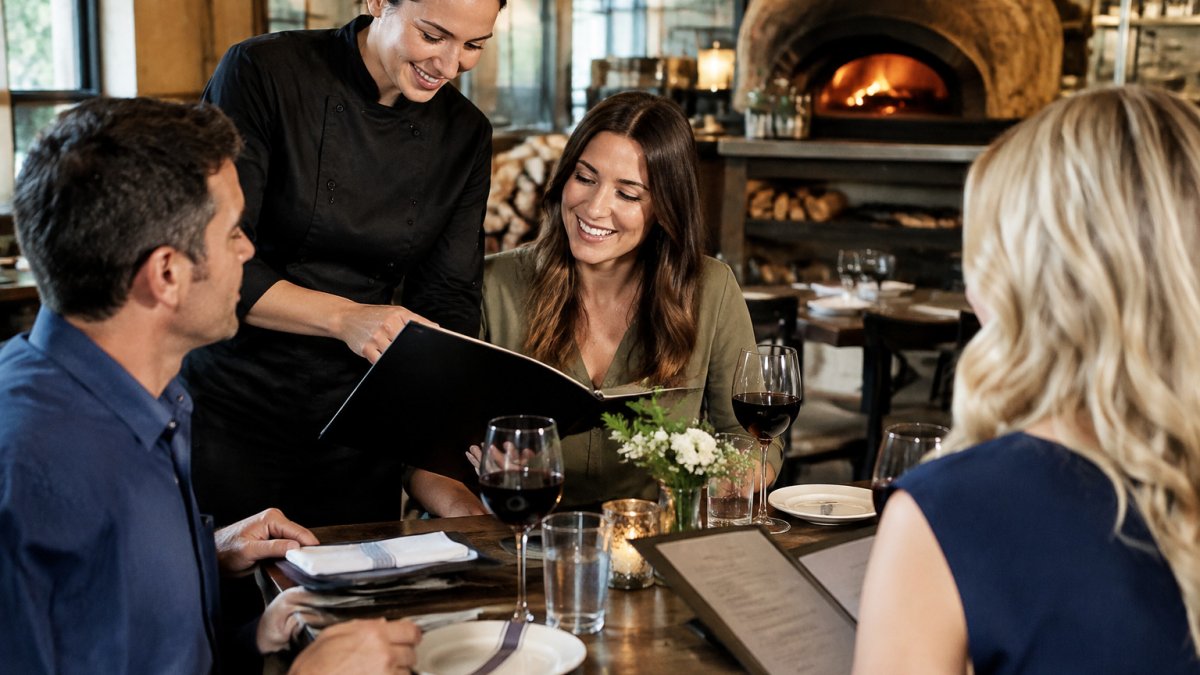
Restaurant special requests for birthdays and anniversaries work best when they're specific, reasonable, and made at booking rather than at the table. "A candle in the dessert" is easy. "A surprise involving the whole room" needs a conversation.
The requests that land well:
- A particular table or a quieter corner
- A dessert with a candle at a set time
- Dietary accommodations confirmed in advance
- A bottle chilled and ready on arrival
- A short note in the reservation about what you're celebrating
Watch out: mentioning a celebration only when you sit down often means the kitchen can't prepare anything special, and the moment passes flat. Say it when you book.
Private Dining for Special Occasions: When a Group Needs Its Own Room
Private dining for special occasions makes sense once your group outgrows easy conversation, usually somewhere around ten to fifteen guests.
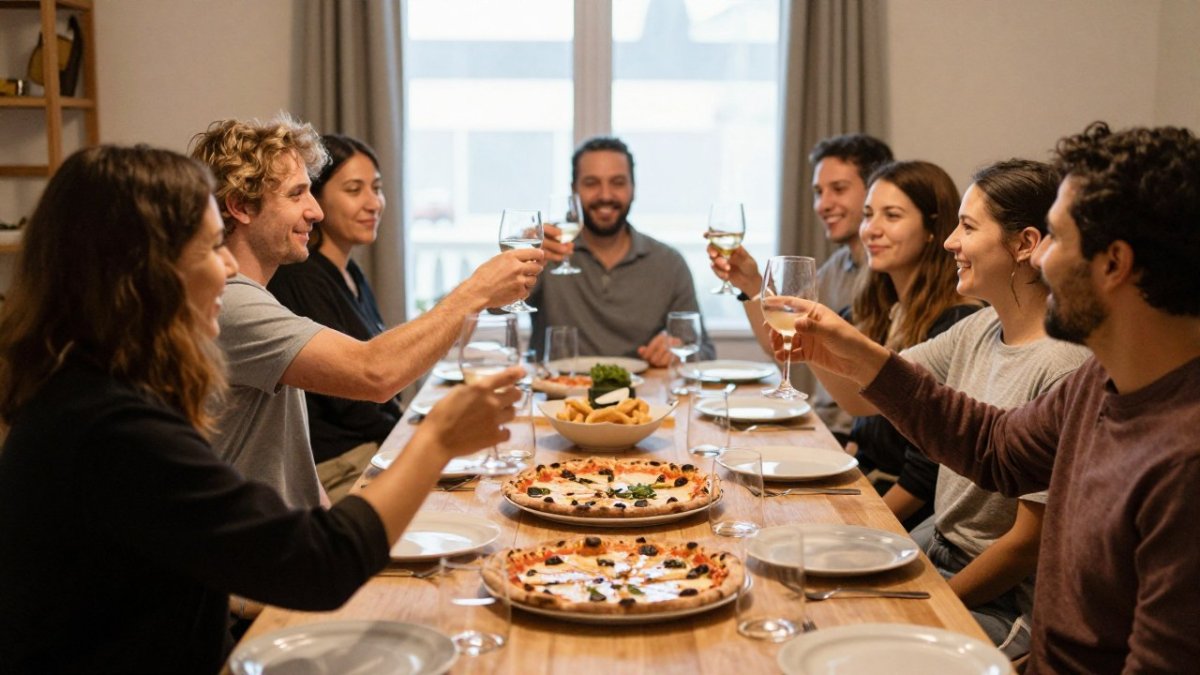
Before you commit, ask how the room is priced: minimum spend, per-person menu, or room fee. Ask whether the space is truly private or simply sectioned off.
If you're ready to reserve, you can book a private dining room and see the space and policies in advance. For the planning side, this walkthrough of how to plan a group dinner event covers the sequence from guest list to final count, and these tips for hosting large group dinners help once the numbers climb.
Unique Birthday Dinner Ideas for Adults
Unique birthday dinner ideas for adults usually come down to one twist on a familiar evening: a live band, a chef's tasting menu, a wood-fired pizza night with a shared table, or a dinner built around a drink theme. The twist should suit the guest of honor, not the planner's Pinterest board.
If the birthday guest loves music, pair dinner with a show. This guide to live music venues for dinner and a show shows how to build that evening.
Planning the Total Cost Before You Book
Budget the whole evening, not the plate.
Build your estimate in this order:
- Food. Entrées multiplied by guests, plus shared starters and dessert.
- Drinks. Estimate per guest, and remember craft beer and cocktails vary widely. A drinks-only bar tab can rival the food cost for a celebratory group.
- Tax. Add the local sales tax rate on the food and drink subtotal. Rates vary by jurisdiction, so confirm the rate that applies to the venue.
- Gratuity. Gratuity practices vary, so check whether a service charge is already included for large parties before adding a tip.
- Private-room fees and minimum spends. A private room may carry a flat room fee, a per-person menu price, or a minimum spend that applies to food and drink. Ask which one applies and whether tax and gratuity count toward the minimum.
- Deposits and cancellation terms. Many venues require a deposit to hold a private room or a large party, and some make it non-refundable inside a set window. Know the amount and the deadline before you commit.
Then add a cushion of about ten percent for the extras nobody plans for, such as a celebration dessert, a bottle sent to the table, or a coat-check tip.
A worked example makes the mechanics concrete. Suppose ten guests each order a entrée, share a few starters and dessert, and add drinks.
Watch out: a minimum spend is not the same as a room fee.
Book Your Celebration Table at Pyke's Crossroads
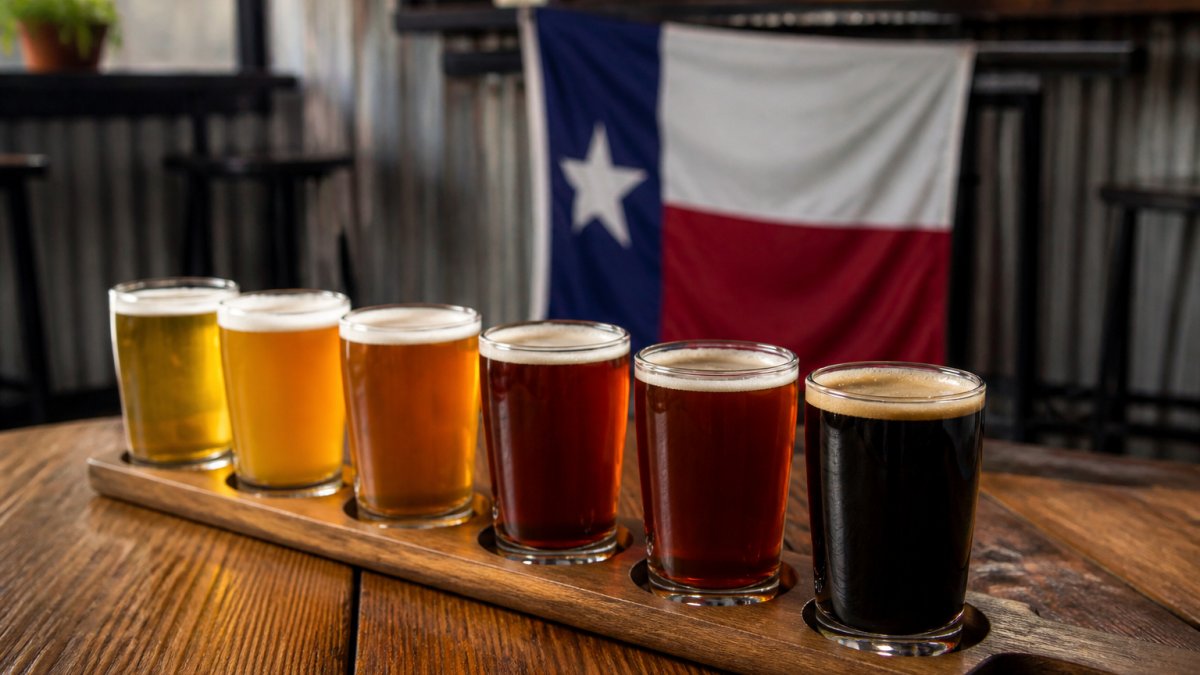
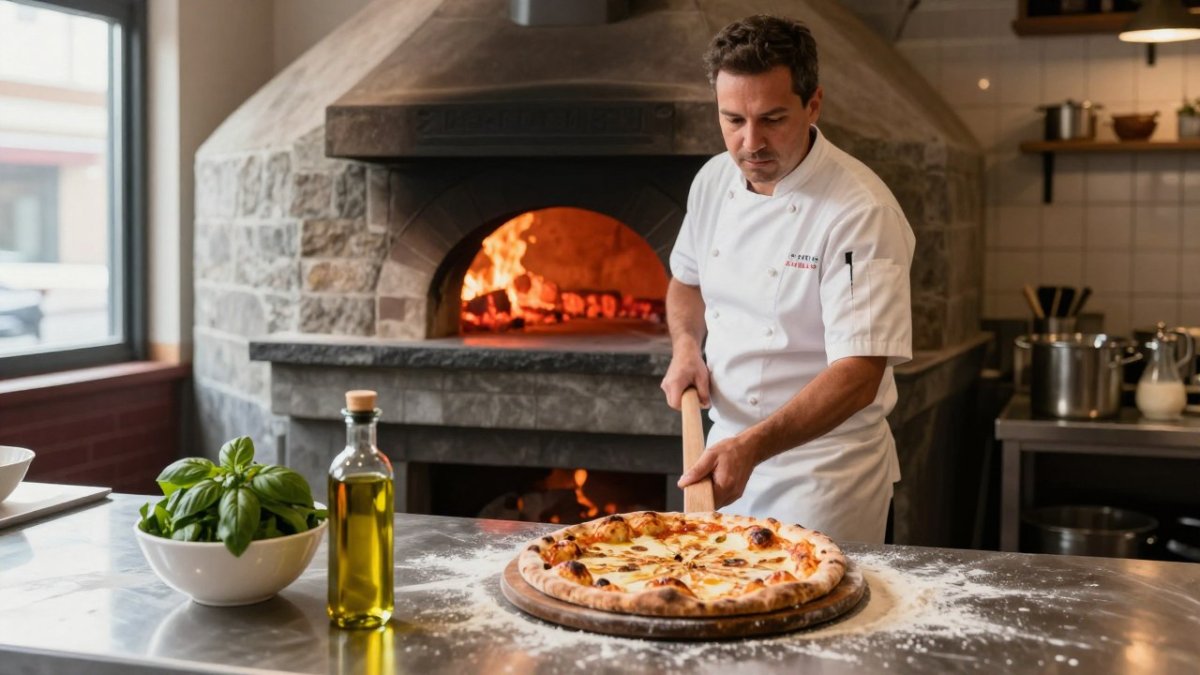
The best celebration is the one where the venue handles the details and you get to sit down with your people. Our 95% scratch kitchen turns familiar dishes into something worth the drive, our wood-fired ovens were imported from Italy, and our bar pours more than 60 beers with a focus on Texas-made craft brews across 9 rotating taps.
Tell us what you're celebrating when you reserve, and we'll help you match the table, the menu, and the timing to the occasion. Get started with Pyke's Crossroads Restaurant and give your next milestone the evening it deserves.
Frequently Asked Questions
How far in advance should you reserve a restaurant for a special occasion?
For a party of two on a weekend, a week or two ahead is usually enough. For groups of eight or more, or for a private room, call three to four weeks out, and reach out six to eight weeks ahead for dates around major holidays. Ask whether the restaurant takes a deposit and what the cancellation policy is before you commit, so a change of plans does not cost you.
What should you include in a special request when booking a restaurant?
Name the occasion, the exact guest count, and any dietary needs in one message. Add seating preferences, such as a quieter corner or a table away from the door, and ask whether a cake, candles, or a toast can be arranged. Keep requests specific and reasonable, and confirm them again 48 hours before the reservation so the kitchen and floor staff have the details on hand.
How can you choose a restaurant that works for everyone's dietary needs?
Check the menu online before you book and look for dishes that can be adjusted, not just one token option. Call ahead about allergies and ask how the kitchen handles cross-contact, since a scratch kitchen cooking from raw ingredients usually has more flexibility than one reheating prepared food. Confirm accessibility too, including step-free entry and accessible restrooms, if anyone in the group needs it.
What should you ask a restaurant before booking a private dining room?
Ask about the room's capacity, whether a deposit or signed contract is required, and what the cancellation terms are. Confirm whether you order from the regular menu or a set prix fixe menu, how many servers will handle the room, and whether audio-visual equipment is available for speeches or slideshows. Get the total cost estimate in writing before you sign.
What is the 30/30/30 rule for restaurants?
The 30/30/30 rule is a budgeting guideline for dining out: roughly 30 percent of your budget goes to food, 30 percent to drinks, and 30 percent to tax, tip, and extras, with the last 10 percent held back for surprises. It gives you a quick way to sanity-check a reservation before you book, especially for group dinners where shared plates and rounds of drinks add up fast.
How do you decide which restaurant to go to for a special occasion?
Rank your priorities first: the occasion, the guest list, the budget, and the atmosphere you want. Then shortlist two or three places that fit all four, check menus and reviews, and call to confirm availability and policies. Choosing restaurants this way keeps the decision grounded in what the celebration actually needs rather than in whichever venue happens to be closest.