 blog
Are Gourmet Comfort Food Menu Trends 2026 Worth It?
Last Updated: October 26, 2026
Quick Summary
Gourmet comfort food menu trends in 2026 are worth it when they keep familiar dish names, upgrade ingredients and technique, and match a clear audience, occasion, and daypart. Test each dish as a limited special and track food cost, ticket times, and sales mix before it earns a permanent menu spot.
- Elevated comfort food keeps the recognizable name and changes one or two elements, not five.
- Nostalgia with a twist performs best at dinner and weekend brunch with guests ages 35-65.
- A 95% scratch kitchen makes nearly everything in-house, raising labor cost and consistency risk.
- Build the ingredient sheet and allergen matrix before the menu launches, not after.
- Test one dish on one night, set a sales target, and review the sales mix after two weeks.
Table of Contents
- Why Gourmet Comfort Food Menu Trends 2026 Are Reshaping Kitchens
- Elevated Comfort Food: Turning Familiar Plates Into Special-Occasion Dishes
- 2026 Restaurant Food Trends: Nostalgia, Global Twists, and Protein-Forward Plates
- Scratch-Made Comfort Food: What a 95% Scratch Kitchen Actually Changes
- Modern Comfort Food Menu Ideas That Hold Up on a Busy Line
- Food Cost, Pricing, and Portion Math for Comfort Dishes
- How to Test a Comfort Food Trend Before It Hits the Full Menu
- Taste the 2026 Comfort Menu at Pyke's Crossroads Restaurant
- Frequently Asked Questions
Why Gourmet Comfort Food Menu Trends 2026 Are Reshaping Kitchens
Gourmet comfort food menu trends in 2026 are reshaping how restaurants build menus, price plates, and train kitchen staff.
The appeal is simple. Familiar flavors lower the risk of a bad first bite. A gourmet upgrade raises the reward.
But the trend pressures kitchens: scratch cooking, careful plating, and dietary options all cost labor.
Below, we break down what the strongest 2026 menus have in common, and how to tell a real scratch kitchen from a marketing claim.
Elevated Comfort Food: Turning Familiar Plates Into Special-Occasion Dishes
Elevated comfort food means improving a familiar dish's ingredients, technique, and presentation without losing what made it recognizable. The best versions keep the memory intact and upgrade everything around it.
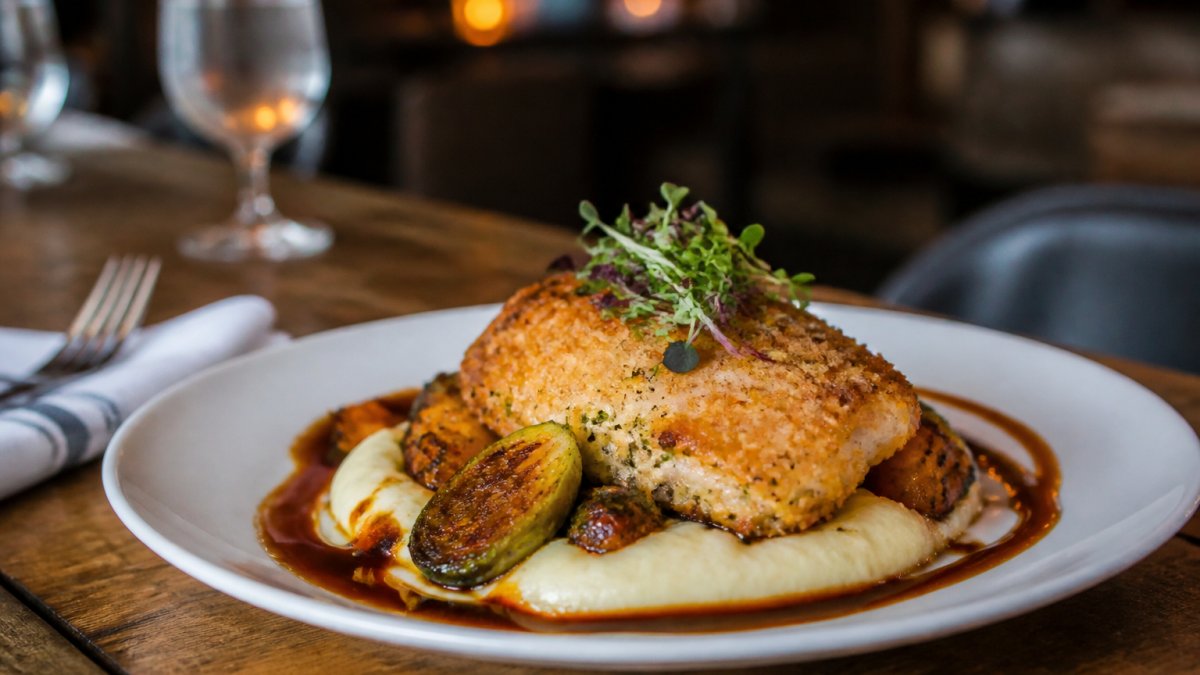
Our rules are consistent: keep the name, improve the inputs, and change one or two elements, not five. A recognizable dish outsells a clever reinterpretation guests have to ask about.
Three Upgraded Classics With Ingredients and Presentation Notes
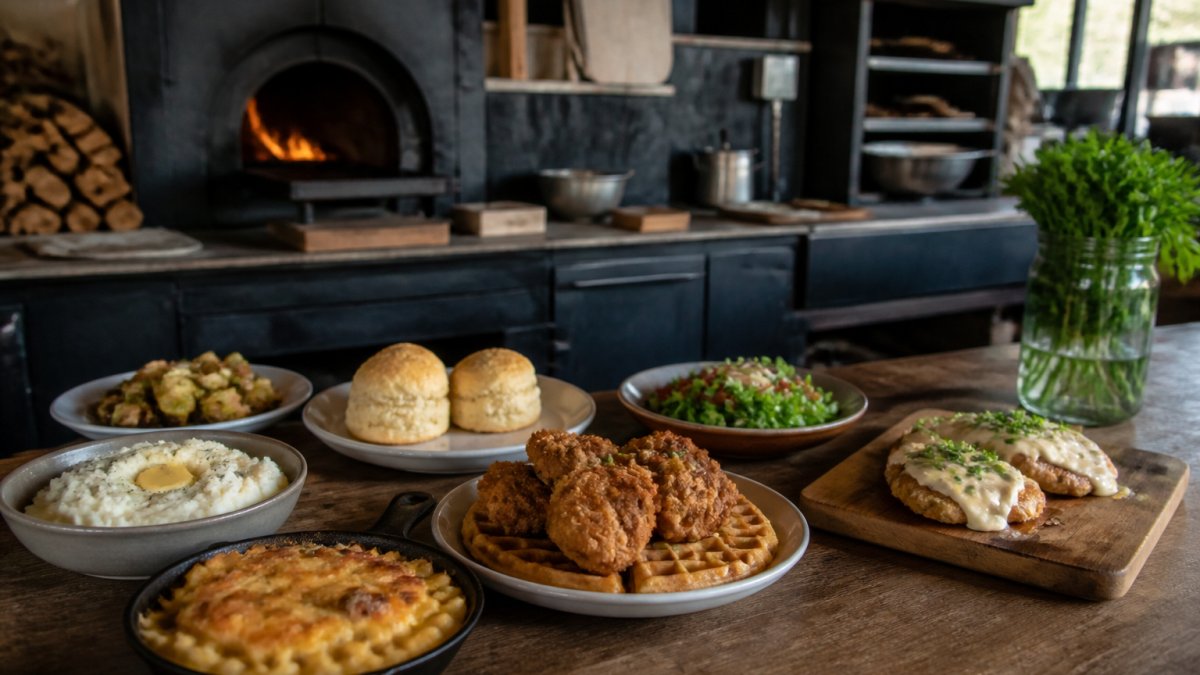
- Wood-fired mac and cheese. Sharp aged cheddar and a touch of smoked gouda, finished under high heat so the top blisters. Serve in a small cast-iron dish with a scatter of chive.
- Buttermilk fried chicken plate. Brined overnight, dredged in seasoned flour, stacked over a corn puree. Add a drizzle of hot honey at the table, not in the kitchen, so the crust stays crisp.
- Skillet cornbread with cultured butter. Baked to order in a hot pan so the edges caramelize. Serve with whipped cultured butter and a small dish of pepper jam.
2026 Restaurant Food Trends: Nostalgia, Global Twists, and Protein-Forward Plates
The 2026 restaurant food trends worth watching all pull in the same direction: comfort, but with more intention. Nostalgia still sells, global flavors keep spreading into everyday dishes, and protein-forward plates are moving into main menus. What separates a trend that fills seats from one that only fills a slide deck is demand by audience and occasion, the lens we use to evaluate a dish.
Here is what we see holding up in practice, mapped to who orders it and when:
- Nostalgia with a twist. Dishes from childhood, plated with better ingredients. Strongest at dinner and weekend brunch with guests ages 35-65 who are ordering for a celebration or a family table. The familiar name does the selling; the upgrade justifies the price.
- Global comfort foods. Asian noodle soups, regional stews, and street-food classics adapted for local palates. Best as a lunch and cold-weather dinner draw, especially with younger diners and takeout orders where a broth-based bowl travels well.
- Protein-forward dishes. Larger protein portions, plant-based options, and affordable cuts cooked well. Performs at dinner and post-workout dayparts; guests ordering for satiety and value respond to a clearly stated protein portion on the menu.
How to Read Demand by Audience and Occasion
A trend list is only useful if it tells you who to sell it to. Sort each candidate dish by three questions before it reaches the menu:
- Who is ordering? A family table, a couple on a date, a solo lunch, a group celebration. Each has a different tolerance for price, portion, and wait time.
- What occasion is it for? A quick weekday meal rewards speed and value. A celebration rewards presentation and a story. A comfort craving rewards familiarity.
- What daypart does it fit? A braise that holds well suits dinner service. A broth bowl suits lunch and takeout. A tableside finish suits dinner only, because it needs staff attention.
When a dish scores well on all three, it earns a trial. When it only scores on trend appeal, it stays a special.
The Thread Connecting Them: Trust
Guests want to see the work. A visible oven or tableside pour signals a kitchen doing something real, which matters most at dinner and special occasions where guests already pay for an experience. At lunch and on value menus, build the same trust through clear portion language and honest pricing rather than theater. Match the signal to the occasion and the trend does the rest.
Here is how the trends we see holding up map to who orders them and when.
| Trend | Best audience and occasion | Daypart |
|---|---|---|
| Nostalgia with a twist | Guests ages 35-65, celebrations and family tables | Dinner and weekend brunch |
| Global comfort foods | Younger diners and takeout orders | Lunch and cold-weather dinner |
| Protein-forward dishes | Guests ordering for satiety and value | Dinner and post-workout |
| Value menus with perceived value | Guests choosing a quick bite or full meal | Lunch and happy hour |
| Health-conscious comfort cooking | Guests with dietary goals, no diet plate | Weekday lunch and early dinner |
| Fermented and preserved flavors | Low-cost flavor lever across guests | All dayparts |
| Fire cooking and tableside service | Guests paying for an experience | Dinner and special occasions |
Scratch-Made Comfort Food: What a 95% Scratch Kitchen Actually Changes
Scratch-made comfort food means building dishes from raw ingredients rather than reheating prepared components.
"Scratch kitchen" gets used loosely, so readers want to spot an authentic one before trusting the claim. Our guide to what defines an authentic scratch kitchen walks through the seven signs we look for.
What actually changes in a scratch kitchen:
- Flavor depth. Fresh stocks and sauces taste different from packaged versions.
- Labor cost. More prep hours, more skilled staff, tighter scheduling.
- Consistency risk. Handmade food varies, so kitchens need tight standards.
The trade-off is real: scratch cooking costs more to run, but guests notice the difference, which is why the claim carries weight when true.
Modern Comfort Food Menu Ideas That Hold Up on a Busy Line
Modern comfort food menu ideas fail for one reason: they cannot survive a Friday night. A dish that takes twelve minutes of a cook's full attention will wreck service once the dining room fills. The test is whether the line can execute it at volume, not whether it sounds good on paper.
What works in practice:
- Batch the base, finish to order. Braise, sauce, and prep components ahead. Plate and garnish on the fly.
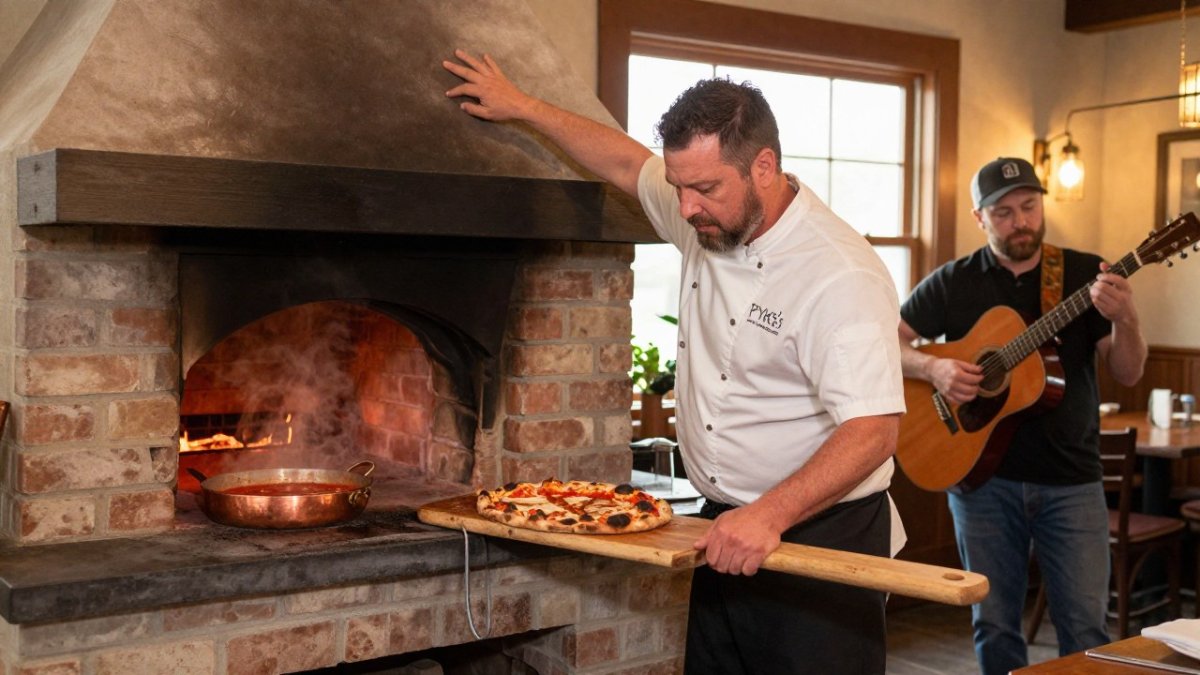
- Use the oven for volume. Wood-fired ovens hold heat well and turn out pizzas and roasted plates fast.
- Limit the garnish to one element. A single herb or drizzle reads as polished. Three reads as clutter.
Dietary Adaptations and Allergen-Aware Versions
Every comfort dish needs a version that fits a restricted diet. Guests ask, and kitchens that cannot answer lose the table.
Gluten-free. Keep a separate flour blend and a dedicated prep area.
Dairy-free. Olive oil and plant-based butter cover most swaps without changing the dish's character.
Vegetarian and vegan. Build a protein-forward plant option that stands on its own, not as a stripped-down version of a meat dish.
Allergen transparency. Train servers on the full ingredient list for every plate. The eight major allergens recognized in the United States are milk, eggs, fish, crustacean shellfish, tree nuts, peanuts, wheat, and soybeans, and sesame was added in recent years (the FDA).
Cross-Contact Controls That Actually Hold
A swap is only as good as the control behind it. Busy kitchens often designate one prep area and one set of utensils for allergen-aware plates, color-coding tools so a cook cannot grab the wrong one during a rush. Fryer oil is a frequent failure point: if fried chicken and a gluten-free item share a fryer, the gluten-free claim is not true.
Operational Feasibility: The Questions to Ask Before Launch
Dietary options add prep time, equipment, and training. Before a dish earns a spot, answer these:
- Prep time. How many minutes of active labor per plate, and can it be batched?
- Equipment. Does it need a dedicated fryer, a separate pot, or a second oven shelf?
- Labor and skill. Can a new line cook execute it on a Friday night, or does it require the chef?
A dish that passes the volume test but fails the dietary control test is not ready. Measure both before it reaches the full menu.
Food Cost, Pricing, and Portion Math for Comfort Dishes
Comfort food pricing is where good menus quietly lose money.
Food cost percentage is the cost of ingredients divided by the menu price. Most full-service restaurants keep it in a workable band, though the right target depends on labor, rent, and volume. The formula is the same everywhere:
- Add the cost of every ingredient in the plate.
- Divide by the menu price.
- Compare the result to your target.
Portion math matters just as much. A larger portion raises perceived value but can push food cost past the target.
Pricing also has to account for labor. A scratch dish with three components takes more prep time than a reheated one.
For a closer look at whether the upgrade pays off, our real cost breakdown of gourmet comfort food walks through the numbers dish by dish.
How to Test a Comfort Food Trend Before It Hits the Full Menu
Testing a trend before a full launch protects both food cost and reputation. The safest approach is a limited-time special measured against a clear target before it earns a permanent spot.
Here is the test we would run:
- Pick one dish and one night. Add it as a special, not a menu change.
- Set a sales target. Decide in advance how many plates make it worth keeping.
- Track food cost per plate. Weigh ingredients for the first ten orders.
- Watch ticket times. If the dish slows the line, it fails regardless of sales.
- Ask three questions at the table. Did guests like it, would they order it again, and would they pay the price.
- Review the sales mix after two weeks. Keep, adjust, or cut.
A trend that sells well but wrecks service is not a win; one that sells modestly but runs cleanly may deserve a longer trial. Measure both.
Taste the 2026 Comfort Menu at Pyke's Crossroads Restaurant
The best way to judge a comfort food trend is to eat it.
If you are planning a celebration, our guide to booking a private dining room covers the options. These tips for hosting a large group dinner will help you plan the evening.
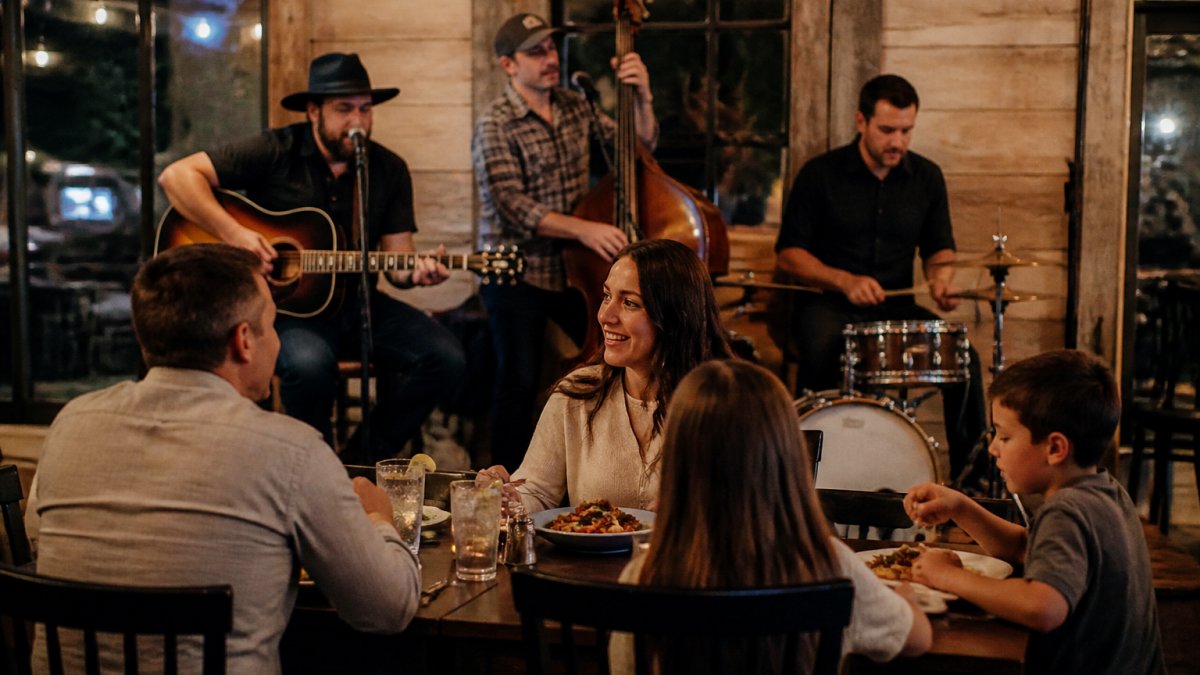
Come for the food. Stay for the live music from local artists. We would love to have you at the table.
Frequently Asked Questions
What are the biggest gourmet comfort food trends for 2026?
The strongest comfort food trends for 2026 center on elevated classics, global twists, and scratch-made cooking. Diners want familiar dishes like meatloaf or mac and cheese reworked with better ingredients and sharper presentation, plus regional flavors such as Asian noodle soups or fermented chile sauces. Protein-forward plates, value menus with clear perceived value, and health-conscious versions of indulgent foods round out the list. Operators who can execute these ideas consistently, without stretching the kitchen, will see the most menu innovation pay off.
How can restaurants make comfort food feel more upscale?
Start with ingredient quality and presentation rather than a bigger plate. A scratch-made sauce, a house-fermented condiment, or a wood-fired finish adds perceived value fast. Smaller portions of a rich dish, plated with a crisp garnish and a thoughtful side, read as elevated comfort food without raising food cost much. Tableside touches and a curated beverage pairing, including mocktails, also lift the dining experience. The key is that the upgrade shows up on the plate, not just in the menu description.
Why are scratch-made dishes appealing to diners in 2026?
Scratch-made comfort food answers a real trust gap. Diners have been burned by restaurants that claim scratch cooking but reheat frozen product, so they look for signals: open kitchens, seasonal specials, and sauces that change with the menu. Scratch cooking also makes allergen transparency and dietary adaptations easier because the kitchen knows every ingredient. For operators, it supports menu labeling accuracy and lets a dish evolve with local ingredient supply. The payoff is repeat visits from guests who can taste the difference.
How do you test a new comfort food trend without risking the whole menu?
Run it as a limited-time offering and track sales mix against a comparable existing dish. Set a target food cost percentage before launch, then measure plate cost, prep time per cover, and guest feedback over two to four weeks. Watch whether the item sells to the audience you expected, such as younger diners or families, and whether it slows the line during peak service. If the numbers hold, move it to the permanent menu; if not, adjust the portion, price, or preparation before trying again.
Comfort food trends only matter if the kitchen can deliver them night after night. At Pyke's Crossroads Restaurant, we build our menu around a 95% scratch kitchen, wood-fired ovens imported from Italy, and more than 60 beers with a focus on Texas-made craft brews. Bring your group, settle in for live music, and taste what a real scratch kitchen does with the dishes you already love. Get started with Pyke's Crossroads Restaurant and plan a night out worth the drive.