 How-to
How to Get the Most from Wood-Fired Pizza Ovens
Last Updated: October 31, 2026
Quick Summary
Wood-fired pizza ovens deliver intense heat, live fire and a stone floor that never cools down, producing fast cooking, deep flavor and a crust you cannot copy in a home oven. They also roast vegetables, bake bread and sear meat better than most kitchen appliances.
- A wood-fired oven needs 45 to 60 minutes of steady burning before the stone floor is saturated with heat.
- Dry, seasoned hardwood such as oak, hickory and ash burns hot and long for a wood-fired oven.
- Build a steady fire and let the oven heat slowly instead of building too big a fire too fast.
- Clean the stone floor between uses and clear out ash regularly to protect heat retention.
- Check local smoke rules and clearance requirements with your code office before installing an oven.
Table of Contents
- Why Wood-Fired Pizza Ovens Change the Way You Cook
- How Wood-Fired Pizza Ovens Work
- Wood-Fired Pizza Oven Cooking Time: What to Expect
- Best Wood for a Pizza Oven
- Wood-Fired vs. Gas Pizza Oven: Which Fits Your Backyard
- Cooking Beyond Pizza: Vegetables, Baking, and More
- Operating Costs, Maintenance, and Safety
- Taste Authentic Wood-Fired Pizza at Pyke's Crossroads
- Frequently Asked Questions
Why Wood-Fired Pizza Ovens Change the Way You Cook
A wood-fired oven does more than bake pizza. It changes how you cook, entertain, and think about food.
So what makes these ovens special? Three things set them apart: intense heat, live fire, and a stone floor that never cools down.
A wood-fired oven is not just a pizza machine.
Below, we break down how these ovens work, what to expect when you cook with one, and how to choose the right fuel.
How Wood-Fired Pizza Ovens Work
A wood-fired pizza oven is a domed chamber that traps heat from a wood fire and pushes it back onto the food. The dome shape reflects heat down. The stone floor absorbs it. The result is even, intense cooking from every side.
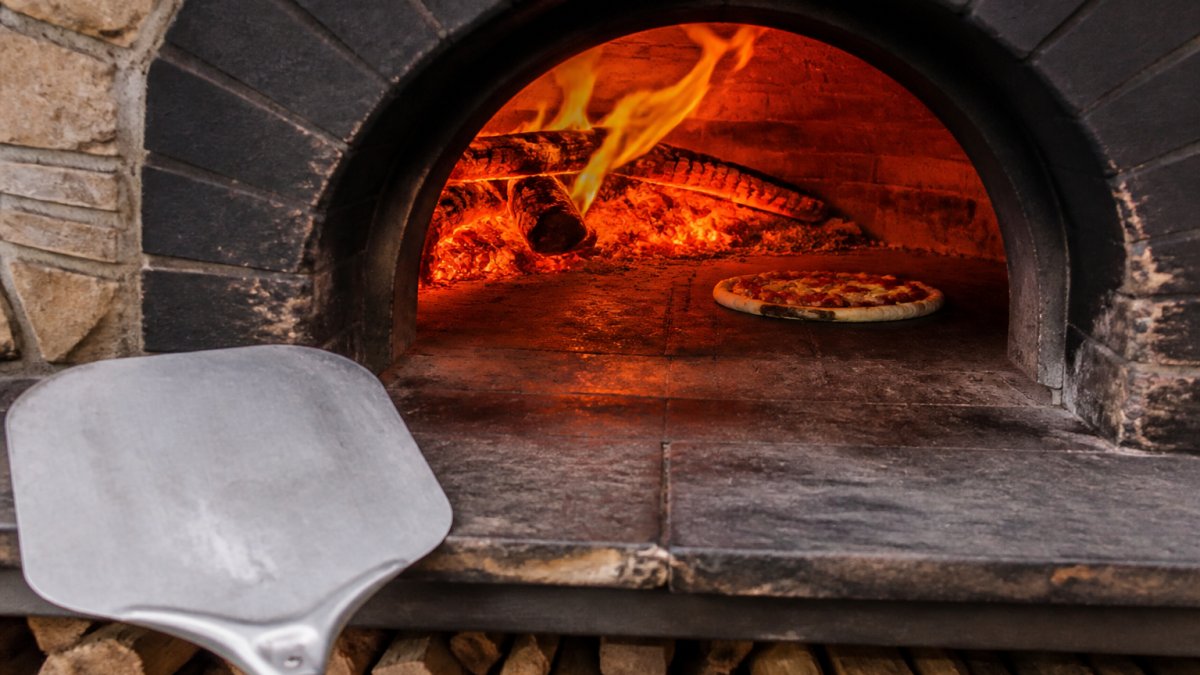
Wood-fired ovens reach high temperatures, and that heat both cooks the top of the pizza and crisps the bottom. The fire also adds smoke, which builds flavor during the short bake.
Heat Retention and Oven Performance
Heat retention is the secret to good oven performance. A quality oven holds heat in its stone and walls for hours, so you can bake several pizzas in a row without the temperature dropping.
Here is how to judge an oven's heat retention:
- Stone thickness: Thicker stone holds more heat.
- Dome mass: Heavier domes stay hot longer.
- Insulation: Good insulation keeps heat inside the oven.
- Door seal: A tight door traps heat between bakes.
An oven that holds heat well gives you steady results. You spend less time feeding the fire and more time cooking.
Fire Management and Temperature Control
Fire management is the skill that separates good pizza from great pizza. You control oven temperature by adjusting the fire, not a dial.
A common mistake is building too big a fire too fast, which overheats the oven and burns the crust before the center cooks. Build a steady fire and let the oven heat slowly.
Watch the flame, not a gauge. A rolling flame near the back of the oven signals strong heat. A low flame means it is time to add wood.
Wood-Fired Pizza Oven Cooking Time: What to Expect
A wood-fired pizza oven cooks a pizza quickly once it is at full heat. That speed is possible because the oven runs at very high temperatures.
Fast cooking locks in moisture and flavor. Vegetables stay bright, cheese melts without drying out, and the crust gets a crisp outside and a chewy inside, the mark of real wood-fired pizza.
Cooking time depends on a few things:
- Oven temperature: Hotter ovens cook faster.
- Pizza size: Smaller pies bake quicker.
- Toppings: Heavy toppings slow the bake.
- Dough thickness: Thin dough cooks in less time.
Expect to turn the pizza once during the bake. That even cooking gives you a crust with no burnt edges and no raw spots.
Best Wood for a Pizza Oven
The best wood for a pizza oven is dry, seasoned hardwood. Hardwoods burn hot and long, which is exactly what a wood-fired oven needs. Soft woods burn too fast and leave little heat.
Good choices include oak, hickory, and ash, which produce steady heat and a clean flame. Avoid wet or freshly cut wood; it smokes too much and never reaches high heat.
A few rules to follow:
- Season the wood: Let it dry for months before use.
- Skip treated wood: Never burn painted or treated lumber.
- Keep it small: Split logs reach high heat faster.
- Store it dry: Keep wood covered and off the ground.
Wood-Fired vs. Gas Pizza Oven: Which Fits Your Backyard
Wood-fired and gas ovens both bake good pizza, but they fit different cooks and budgets.
Here is the trade-off in plain terms:
| Feature | Wood-Fired Oven | Gas Oven |
|---|---|---|
| Flavor | Smoke and char from live fire | Clean, mild heat with no smoke |
| Heat control | Manual fire management | Dial or knob control |
| Preheat time | 45-60 minutes to heat the dome and floor | 15-20 minutes |
| Fuel | Seasoned hardwood by the cord or bundle | Propane tank or natural gas line |
| Fuel cost pattern | Variable; depends on wood source and burn rate | Predictable per-tank or per-therm cost |
| Setup | Needs dry wood, kindling, and fire-starting tools | Turn on and go |
| Maintenance | Ash removal, dome inspection, weather cover | Burner cleaning, annual service |
| Learning curve | Steeper; fire management takes practice | Gentle; temperature is set by dial |
| Best for | Cooks who want authentic flavor and enjoy the process | Weeknight cooks who want speed and simplicity |
Preheat time is the hidden difference. A wood-fired oven needs 45 to 60 minutes of steady burning before the stone floor is saturated with heat.
Fuel cost is where the two diverge most. Wood is sold by the cord (128 cubic feet) or by the bundle, and how much you burn depends on oven size, insulation, and burn time. A well-insulated oven holds heat for hours, so one fire can cook multiple pizzas and a round of vegetables. Gas is more predictable: a 20-pound propane tank lasts a known number of burns, and natural gas is billed by the therm.
The learning curve is real but short. Most cooks get comfortable with fire management after a few sessions.
For backyard entertaining, the wood-fired oven doubles as a centerpiece, guests gather around the fire, and cooking becomes part of the event. A gas oven is more of a tool: efficient, predictable, and easy to clean up. Neither is wrong; they serve different styles of cooking.
If you want smoke infusion and a crisp, blistered crust, go wood-fired. If speed and simplicity matter most, gas is the practical pick.
Cooking Beyond Pizza: Vegetables, Baking, and More
A wood-fired oven is a versatile cooking tool, not a one-trick appliance. The high heat and stored warmth let you cook far more than pizza.
Try these:
- Roasted vegetables: High heat caramelizes them fast.
- Breads and flatbreads: The stone floor bakes a crisp bottom.
- Meats: Searing over live fire adds char and smoke.
- Desserts: Fruit bakes into a warm, smoky treat.
Fast cooking at high heat helps vegetables keep more of their texture and color. The same heat that makes great pizza makes great side dishes.
Operating Costs, Maintenance, and Safety
Owning a wood-fired oven is an investment, and the real cost goes beyond the purchase price. Fuel, maintenance, and installation requirements all affect whether an oven is practical for your space and routine.
Fuel Consumption and Operating Costs
Wood is a main operating cost for any wood-fired oven. Fuel use depends on oven size, insulation, and how long you keep the fire going, so check current wood prices from your local supplier.
A common pattern among owners is to burn one fire per cooking session and use the residual heat for secondary cooking, which stretches fuel further. Keep wood covered and off the ground so it stays dry and burns efficiently.
Gas ovens have a different cost profile: a 20-pound propane tank lasts a predictable number of burns, and natural gas is billed by the therm.
Maintenance and Durability
Maintenance is part of ownership. Clean the stone floor between uses with a brush or scraper. Clear out ash regularly, a buildup of ash reduces airflow and affects heat retention. Check the dome and door for cracks, especially after freeze-thaw cycles.
Durability depends on materials and weather protection. A well-built oven with quality refractory brick and proper insulation can last for decades with routine care. The most common causes of premature wear are moisture infiltration and thermal shock from firing too fast when the oven is cold.
Safety, Installation, and Local Restrictions
Safety comes down to placement, ventilation, and fuel choice. Keep the oven away from walls, overhangs, and flammable materials. Follow the manufacturer's clearance requirements, typically a minimum distance from combustible surfaces, and confirm any permit or setback requirements with your local code office before you install. Smoke rules vary by jurisdiction, so check whether your area has restrictions on wood smoke or outdoor burning.
Use dry, seasoned wood only. Wet or treated wood creates excess smoke and burns inefficiently. Never burn painted or treated lumber. Keep a clear zone around the oven and store nothing flammable nearby.
Who Benefits Most, and Who May Not
A wood-fired oven rewards certain cooks more than others. It is a strong fit if you cook outdoors frequently, enjoy managing a fire, have space for wood storage and safe clearances, and want the flavor and social experience of live-fire cooking. It may be less practical if you want weeknight convenience, have limited outdoor space, live in an area with strict smoke rules, or prefer set-and-forget cooking.
Taste Authentic Wood-Fired Pizza at Pyke's Crossroads
You do not have to build an oven to enjoy real wood-fired cooking. At Pyke's Crossroads Restaurant, our pizzas come out of authentic Italian wood-fired ovens, the only ones in Wood County.
Our 95% scratch kitchen means the dough and toppings are made fresh, not pulled from a box. Pair your pizza with a Texas-made craft brew from our 60-plus beer list and nine rotating taps.
If you want to know what real wood-fired pizza tastes like before you invest in an oven, come taste it first. It is the best way to learn the difference.
Frequently Asked Questions
How long does it take to cook a pizza in a wood-fired pizza oven?
A pizza typically cooks in 60 to 90 seconds once the oven is fully heated. Wood-fired ovens reach high temperatures, which is why the crust crisps fast while the cheese melts and the toppings finish without drying out.
Is wood-fired pizza healthier than regular pizza?
The difference comes down to cooking method, not magic. Fast, high-heat baking means the dough cooks before it absorbs much oil, and you can control toppings and cheese amounts yourself. Vegetables also keep more of their texture and nutrients at high heat. A wood-fired pizza is not automatically a health food, but it gives you a crisp crust with less grease than many oven-baked or delivery versions.
What kind of wood is best for a pizza oven?
Hardwoods such as oak, hickory, and apple are the standard choice. They burn hot, last longer than softwoods, and produce clean smoke that adds flavor without harshness. Avoid resinous woods like pine, which spit and leave creosote, and never use treated or painted lumber. Seasoned wood with low moisture content lights faster and holds temperature more steadily, which makes fire management much easier.
Is a wood-fired pizza oven worth the investment?
It depends on how often you cook outdoors. The appeal is real: smoky flavor, a crisp crust, fast cooking, and a centerpiece for backyard entertaining. The trade-offs are equally real: a learning curve around fire management, fuel costs, weather protection, and checking local rules on placement and smoke. If you entertain often and enjoy the process, it earns its place. If you want convenience above all, a gas oven may suit you better.
Not every pizza earns the name wood-fired. If you want to tell the real thing from a gas-oven imitation, read our guide on how to identify real wood-fired pizza before your next night out.
Ready to taste the difference for yourself? Browse our best wood fired pizza spots in Winnsboro, Texas and find your next table.