 How-to
How to Use Live Music to Improve Your Dining Experience
Last Updated: November 7, 2026
Quick Summary
Live music dining improves the experience because tempo and volume shape how guests feel, how long they stay, and how much they enjoy the meal. Slow tempo stretches a meal out, upbeat music lifts energy, and volume kept under the chatter lets guests talk comfortably.
- Live music draws a crowd, keeps guests seated, and gives them a reason to return.
- Stand at the farthest table and talk in a normal voice to test volume.
- Match tempo to the moment: soft early sets, livelier sets later.
- Track covers, average check, dwell time, and reservations on live versus quiet nights.
- Confirm licensing and put fee, set length, and equipment duties in writing.
Table of Contents
- Why Live Music Improves the Dining Experience
- The Benefits of Live Music in Restaurants
- How Music Affects the Dining Experience
- The Best Music Volume for Restaurants
- Restaurant Live Music Ideas That Fit Your Room
- What Live Music Costs and How to Measure the Return
- Legal, Licensing, and Guest Preference Considerations
- Planning Your Next Live Music Night at Pyke's Crossroads
- Frequently Asked Questions
Why Live Music Improves the Dining Experience
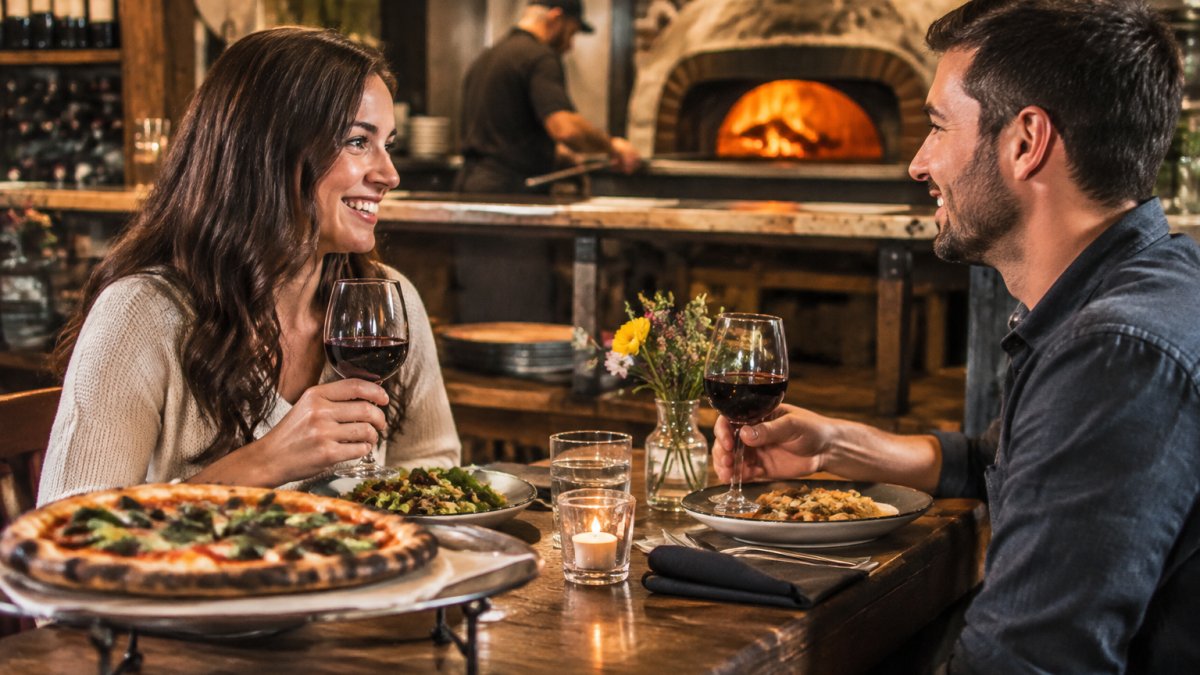
Live music dining works because sound shapes how people feel, how long they stay, and how much they enjoy what's on the plate, which is why live music dining has become a signature of the room. Live music can turn a quiet weeknight into a lively room, and the reason isn't mysterious.
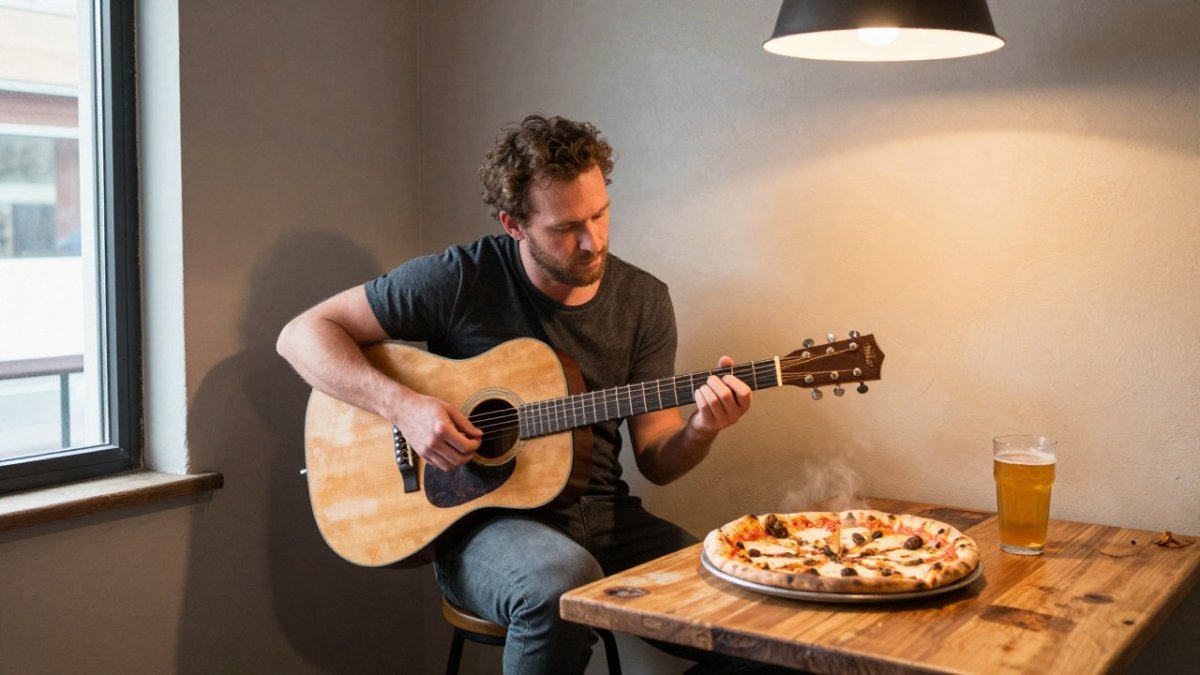
A meal is never just food. It's the light, the noise, the company, and the soundtrack underneath it all. When that soundtrack is a real person with a guitar instead of a playlist on shuffle, guests notice.
Below, we'll break down what live music actually does to a dining room, how to choose the right sound for your space, and how to plan a night that works.
The Benefits of Live Music in Restaurants
Live music in restaurants does three jobs at once: it draws a crowd, keeps guests in their seats, and gives them a reason to come back. A band or soloist becomes part of the experience, not just background noise.
Think about why people go out. They want a night that feels different from their kitchen table. Live performance delivers that feeling without changing a single item on the menu.
- Customer attraction: A scheduled performer gives people a reason to pick a night out.
- Customer loyalty: Guests remember the night, not just the meal, and return for repeat visits.
- Restaurant differentiation: A live set separates you from every quiet room in town.
- Social atmosphere: Music gives strangers something shared to enjoy.
If you're planning a family outing around a performance, our guide on how to find family dinner venues with live music walks through what to look for.
How Music Affects the Dining Experience
How music affects the dining experience comes down to two dials: tempo and volume. Get those right and the room hums. Get them wrong and guests eat fast and leave faster.
Tempo is the speed of the music. Volume is how loud it sits in the room. Both change diner behavior in predictable ways.
Tempo, Pace, and Table Turnover
Slow tempo tends to stretch a meal out. Guests linger, order another round, and savor the food. Upbeat music does the opposite. It lifts energy and speeds up eating pace, which matters during busy periods when you need table turnover.
The trick is matching tempo to the moment. A slow, soft melody early in the evening invites guests to settle in. A livelier set later can wake up a sleepy room.
Dining duration is not a bug to fix. It's a lever. Use it on purpose.
Volume, Conversation, and Guest Comfort
Volume decides whether guests can talk. Push it too loud and conversation dies, guests get tense, and the dining experience suffers. Keep it soft enough that people can hear each other across the table.
The sweet spot is music you notice but don't have to shout over. That balance protects guest enjoyment and keeps the social atmosphere warm.
The Best Music Volume for Restaurants
The best music volume for restaurants is loud enough to fill the room but quiet enough for a normal conversation at the table. In practice, that means the music sits under the chatter, not over it.
A simple test works better than a decibel meter. Stand at the farthest table and talk to someone in a normal voice. If you have to lean in, it's too loud.
Volume needs to flex through the night:
- Early seating: softer, so guests can settle and talk.
- Peak hours: slightly higher to lift energy without drowning voices.
- Late set: dial back so the last tables can still enjoy each other.
Music selection matters here too. Soft melodies and acoustic sets hold their warmth at low volume. Heavy, bass-driven tracks force you to crank the dial, and that's where rooms go wrong.
Restaurant Live Music Ideas That Fit Your Room
Restaurant live music ideas should match your space, your menu, and your crowd. A tiny dining room and a big patio call for very different setups.
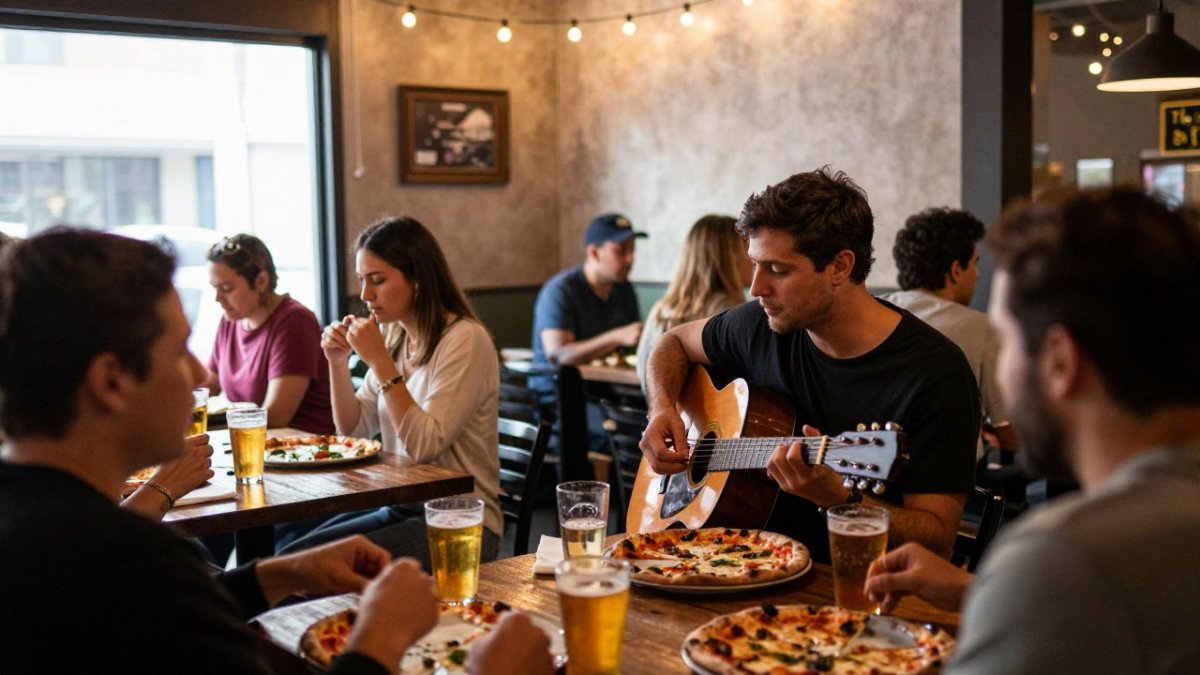
Here's what works across most rooms:
- Acoustic duo: Fits tight spaces and keeps volume low.
- Solo singer-songwriter: Cheap to book and easy to place in a corner.
- Jazz trio: Adds polish for special occasions and later seatings.
- Bluegrass or folk group: Matches a casual, local feel.
Curious how other spots handle it? Our local guide to live music spots in Winnsboro shows what works in practice around here.
At Pyke's Crossroads, we feature local artists who perform live music in our restaurant. The set should serve the meal, never the other way around.
What Live Music Costs and How to Measure the Return
What live music costs depends on the act, the night, and the length of the set, but you can build a working budget without guessing.
A practical cost framework has four lines:
- Performer fee: The quoted rate for the set, plus any travel or soundcheck time. Ask whether the fee covers a single set or a full evening.
- Equipment and sound: A small PA, microphones, and stands if the act does not bring its own. Some soloists and duos carry their own gear; larger groups may need a house system or a rented one.
- Staffing: An extra server or bartender for a busier room, and possibly a host to manage the door or reservations.
- Marketing and scheduling: Promoted posts, printed schedules, and the staff time to coordinate the booking.
On the return side, the numbers that matter are the ones you can pull from your point-of-sale and reservation system.
A simple test works better than a single figure.
Watch out: a packed room on a live night can still lose money if the added staffing and equipment costs outrun the extra covers and check average.
Review the licensing rules from the U.S. Copyright Office before you book anyone, and make sure your performer agreement spells out who supplies sound equipment and who handles setup and teardown.
Here is the cost framework and the return metrics the article recommends tracking.
| Item | What it covers | Note |
|---|---|---|
| Performer fee | Quoted rate for the set, plus travel or soundcheck time | Ask if fee covers one set or full evening |
| Equipment and sound | Small PA, microphones, and stands | Some soloists and duos bring their own gear |
| Staffing | Extra server or bartender, possibly a host | Added staffing can outrun extra covers |
| Marketing and scheduling | Promoted posts, printed schedules, staff coordination time | Staff time to coordinate the booking |
| Covers | Guests served on live versus quiet nights | Pull from point-of-sale and reservation system |
| Average check | Spend per guest on live versus quiet nights | Longer stays may add drinks or dessert |
| Dwell time | How long guests stay | Compare live nights to comparable quiet nights |
| Reservations and feedback | Booking volume and customer comments | Track over the following weeks |
Legal, Licensing, and Guest Preference Considerations
Legal and licensing steps come before the first note. In the United States, playing live music in a business generally requires an appropriate license for copyrighted songs, and the specifics depend on whether the act plays covers or original work.
A few practical points:
- Licensing: Confirm which license covers live performances of copyrighted songs. Performing rights organizations each represent different catalogs, and a venue may need coverage from more than one. Ask the performer whether their set is original work or covers, and get it in writing.
- Performer agreements: Put the fee, set length, load-in and soundcheck times, equipment responsibilities, and cancellation terms in a simple written agreement. This protects both sides and prevents the most common night-of disputes.
- Sound limits and neighborhood impacts: Check local noise ordinances and any lease or landlord rules before you book a full band. Outdoor patios and late sets are the usual flashpoints, and a sound limit agreed in advance is easier than a complaint handled after the fact.
- Guest preferences: Some diners want quiet. Offer seating away from the stage, and make it easy to request a quieter table when reserving. Clear event information, who is playing, when, and what to expect, helps guests self-select.
- Accessibility: Keep walkways and emergency exits clear of equipment and cables, and keep volume comfortable for guests with hearing sensitivity. A lower-noise seating area and advance notice of live music on the reservation page go a long way.
Watch out: skipping the license because "it's just a small room" can lead to real penalties, and a verbal agreement with a performer can leave you without recourse if the act cancels or brings the wrong equipment. Sort the paperwork first, then book the act.
Coordination with service matters too. Schedule soundcheck before service begins, keep cables taped and out of server paths, and give the kitchen and floor staff the set times so they can pace courses and table turns around the performance.
Planning Your Next Live Music Night at Pyke's Crossroads
Planning a live music night starts with three decisions: the date, the act, and the seating. Nail those and the rest falls into place.
If you're organizing a group, our guide on how to plan a group dinner event that works covers the logistics. For a private evening, you can book a private dining room in Winnsboro and build the night around your guests.
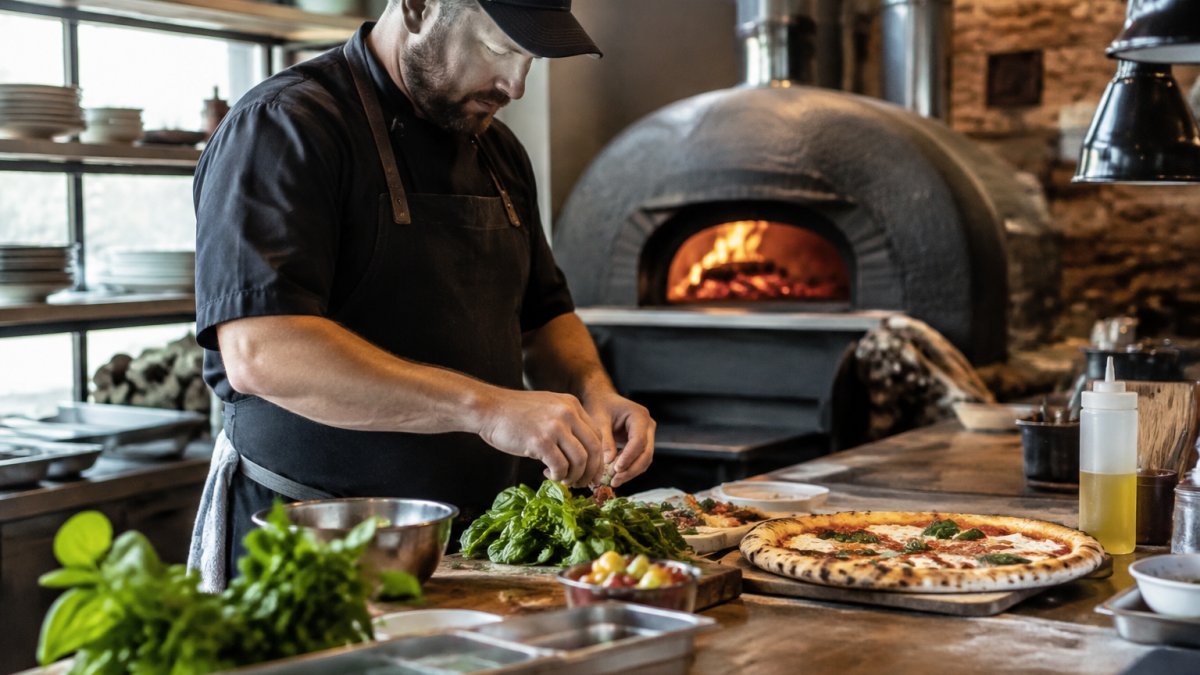
At Pyke's Crossroads, we pair local artists with a 95% scratch kitchen, wood-fired pizzas from our imported Italian ovens, and more than 60 beers with a focus on Texas-made craft brews.
Choosing the right room for a celebration matters too. Our guide to choosing restaurants for special occasions helps you weigh live music against the rest of the night.
A great night out needs more than good food. It needs a room that feels alive. If you want a dining experience with local artists, scratch-made dishes, and a beer list worth exploring, we'd love to host you.
Frequently Asked Questions
Do people actually like live music at restaurants?
Most guests do, as long as the music suits the room. Live music dining works best when the performance supports conversation instead of competing with it. Diners tend to respond well to acoustic acts, jazz trios, and singer-songwriters at moderate volume, while loud bands in a small dining room can push guests to leave early. The key is matching the act and volume to the occasion, so a date night feels intimate and a weekend group outing feels lively.
How loud should live music be in a restaurant?
A practical target is a level where guests can talk across a two-top without raising their voices. Operators often aim for a comfortable level that allows conversation, with quieter sets during early dinner service. The best music volume for restaurants depends on room size, hard surfaces, and crowd noise. Test it by sitting at the farthest table during soundcheck and asking whether the music feels like background or a wall.
Can live music make guests stay longer and spend more?
It can, depending on tempo and timing. Slower sets can stretch dining duration and may encourage another round of drinks or dessert. Upbeat, faster sets move the room along and help with table turnover during busy periods. Operators who track covers, dwell time, and spend per guest across music and non-music nights can see which pattern fits their schedule. The effect varies by venue, so measure it rather than assume it.
What are good restaurant live music ideas for a smaller dining room?
Small rooms reward restraint. Acoustic guitarists, jazz duos, fiddle and guitar pairings, and solo pianists all fit tight spaces without overwhelming conversation. Themed nights, such as a Texas craft beer pairing with a local songwriter, give guests a reason to return. Keep the setup simple with a small PA and stage lighting, schedule sets around peak service, and rotate performers so regulars get variety without losing the room's character.