 Comparison
7 Signs Scratch Kitchen Food Is Worth It
Last Updated: November 1, 2026
Quick Summary
Scratch kitchen food is usually worth it when the extra labor shows up on the plate, since made-in-house sauces, dough, and dressings cost more but deliver fresher, deeper flavor. Judge value with a like-for-like comparison of portion, ingredients, preparation, and staff knowledge. If the food tastes like the effort, the price is fair.
- A scratch kitchen prepares dishes from raw ingredients in-house rather than reheating pre-made or frozen products.
- Scratch-made has no legal definition in the United States, so any restaurant can print it on a menu.
- Ask what is not scratch, because honest kitchens will name the roughly 5% they buy in.
- Scratch cooking trade-offs include longer wait times, slight batch variation, and higher menu prices.
- Divide the menu price by the components the kitchen actually made in-house to test the premium.
Table of Contents
- What a Scratch Kitchen Actually Means on Your Plate
- Scratch Cooking Versus Frozen Food: The Real Difference
- Are Scratch Kitchens Healthier? What the Ingredients Tell You
- How to Identify a Scratch Kitchen Before You Order
- What You Pay For: Price, Portion, and Value Compared
- The Trade-Offs Nobody Mentions: Wait Times, Consistency, and Cost
- Book a Table and Judge the Scratch Kitchen Yourself
- Frequently Asked Questions
What a Scratch Kitchen Actually Means on Your Plate
A scratch kitchen is a restaurant that prepares its dishes from raw ingredients in-house rather than reheating pre-made or frozen products.
That distinction matters more than most diners realize. The FDA guidance on menu and food labeling claims sets rules for nutrition and health claims, but "scratch kitchen" itself is marketing language.
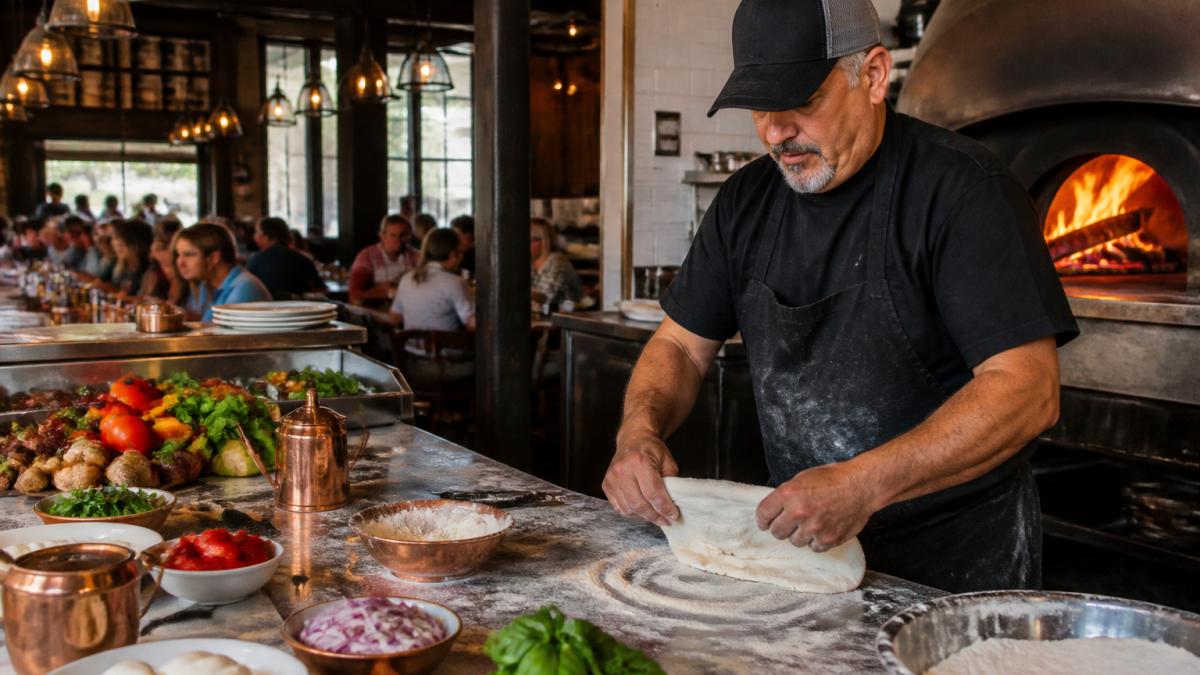
When you ask "is scratch kitchen food worth it," you're really asking whether that extra labor shows up on the plate. It does, but not in every dish equally.
Scratch Cooking Versus Frozen Food: The Real Difference
The gap between scratch cooking and frozen convenience food comes down to three things: ingredient quality, control, and labor cost. A frozen entrée is engineered for consistency and shelf life. A scratch dish is built for flavor, and it changes slightly from batch to batch because a human is making it.
Here's how the two approaches compare on the factors diners actually notice:
| Factor | Scratch Cooking | Frozen / Pre-Made |
|---|---|---|
| Ingredient control | Full, kitchen chooses and seasons | Limited, set by manufacturer |
| Flavor depth | Built in layers, adjusted to taste | Uniform, formulated for mass appeal |
| Freshness | Prepared same day or close to it | Weeks to months in storage |
| Consistency | Slight batch variation | Near-identical every time |
| Labor cost | High, more skilled hours per dish | Low, reheat and plate |
| Menu flexibility | Easy to change with seasons | Locked to supplier catalog |
The trade-off is real. Scratch cooking costs more in labor and skill, and that cost is often reflected in menu prices. Frozen food wins on predictability and speed. Neither approach is automatically better; the question is whether the kitchen's scratch claims are true and whether the result tastes like the effort.
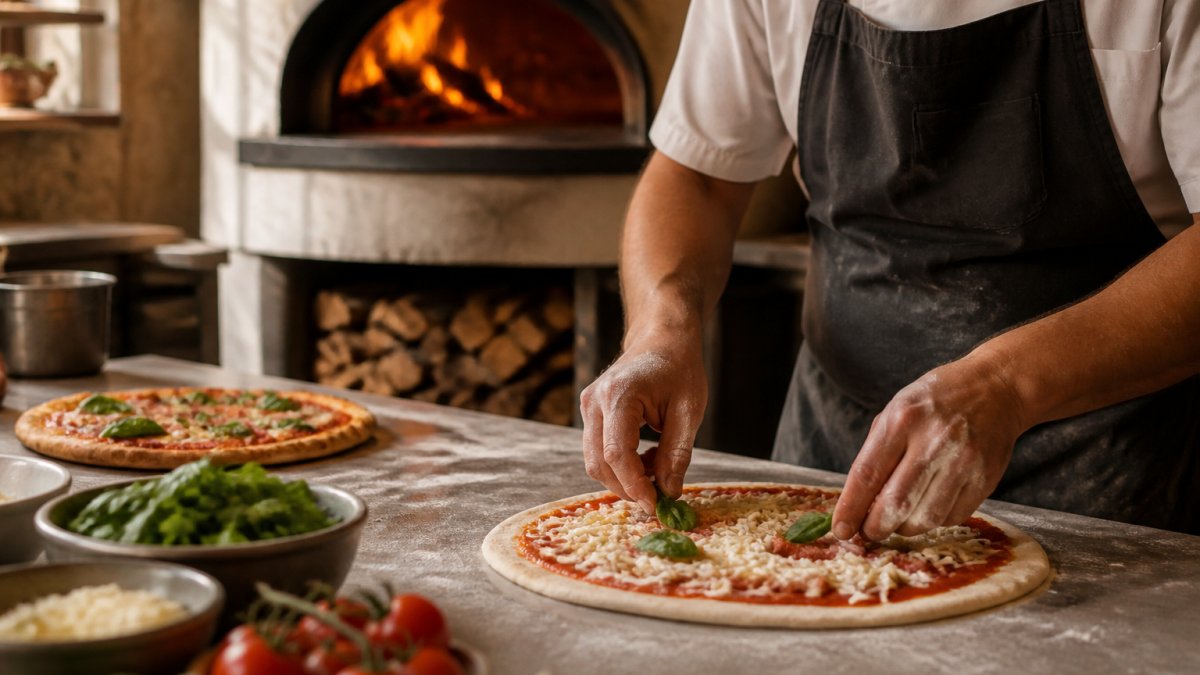
A common mistake diners make is assuming "fresh" and "scratch" mean the same thing. They don't. A salad can be fresh and still come from a bag. Scratch means the dressing, the croutons, and the prep happened in that kitchen.
Are Scratch Kitchens Healthier? What the Ingredients Tell You
Scratch kitchens can be healthier, but not automatically. The advantage comes from control over ingredients, not from the word "scratch" itself. A kitchen that makes its own sauces and dressings has the option to adjust sodium and sugar, but that's a capability, not a guarantee.
A scratch kitchen can still serve a rich, buttery, high-calorie dish. Scratch is about how food is made, not a promise of a light meal. A house-made Alfredo, a from-scratch biscuit, or a wood-fired pizza with a thick layer of cheese can be every bit as indulgent as a convenience version. Fresh and house-made do not automatically mean healthier, and any guide that implies otherwise is overselling the label.
Allergens and dietary needs: where scratch helps and where it doesn't
For diners with allergies or dietary restrictions, scratch preparation can help, with caveats. Because a kitchen makes its own components, staff may be able to tell you what went into a dish. Ask your server directly about any restriction before ordering.
But in-house preparation also means cross-contact risk lives in the kitchen, not in a sealed factory package. Shared fryers, shared prep surfaces, and shared utensils are common in busy scratch kitchens. If you have a serious allergy, ask two questions: what's in the dish, and how is it prepared alongside everything else.
Preparation method matters as much as the ingredient list. Grilled versus fried, and sauce on the side versus built in, can change a dish's profile more than the scratch-versus-convenience distinction does. It's reasonable to ask a kitchen about these choices.
The practical takeaway: scratch cooking gives a kitchen the ability to make food better for you, and gives you the ability to ask specific questions and get real answers. Whether it uses that ability is a separate question, and one worth asking out loud.
How to Identify a Scratch Kitchen Before You Order
You can verify a scratch kitchen by asking three questions and watching for a few tells. Most diners never ask, which is exactly why vague claims survive.
Use this checklist before you commit to a table:
- Ask what's made in-house today. A scratch kitchen answers specifically: "the dressings, the dough, the soups, the desserts."
- Ask what's not scratch. Honest kitchens will name the items they buy in. Ours will tell you the roughly 5% that isn't made from scratch.
- Look at the menu's flexibility. Scratch kitchens can usually modify a dish or swap a side because components are made separately.
- Check for daily specials and seasonal changes. A menu that never moves often signals a freezer and a supplier catalog.
- Watch the plate for uniformity. Perfectly identical sauces and portions across visits can mean pre-portioned product.
- Read reviews for words like "homemade," "fresh," and "from scratch" repeated by different diners.
If you want a deeper checklist to apply before you order, our guide on what defines an authentic scratch kitchen walks through seven signs in detail. The real difference between a scratch kitchen and a reheating kitchen shows up in how willing the staff is to talk about the food. Ask, and listen to whether the answer is specific or vague.
What You Pay For: Price, Portion, and Value Compared
Scratch kitchen food usually costs more, and the premium is mostly labor. Skilled prep hours, made-to-order cooking, and lower-volume batches all raise the operating cost per plate. That cost shows up in menu prices, and it's the fairest thing to be skeptical about. The useful question isn't "is scratch more expensive?", it usually is, but "how much more, and what does the extra money actually buy on the plate?"
A diner-focused way to judge value is a like-for-like comparison. Pick the same category at two places, a burger, a pizza, a plate of pasta, and compare on four axes: portion, ingredients, preparation, and service knowledge. That keeps the comparison honest instead of letting a single standout dish or a single bad night decide the verdict.
| What to compare | Scratch kitchen signal | Value red flag |
|---|---|---|
| Portion size | Fills the plate with real components | Small portion, high price, no explanation |
| Ingredient quality | Named components, visible freshness | Generic descriptions, wilted garnishes |
| Preparation | Sauces, dressings, dough made in-house | Flat, salty, one-note flavors |
| Service knowledge | Staff can explain the dish | Staff can't answer what's in it |
Realistic price ranges to anchor your comparison
Menu prices vary by market, concept, and day, so treat any single number as a range rather than a rule. Menu prices depend on the dish, portion, and add-ons, so compare the menu items you're considering directly rather than relying on general price ranges.
Portion mechanics matter as much as the headline price. Sides, add-ons, and substitutions can change the final bill, so compare what is included in each price. A burger that comes with house-cut fries and a made-from-scratch sauce is a different value proposition than one that comes bare with a side priced separately. Before you compare two receipts, compare what was actually included.
For a fuller breakdown of whether the premium adds up, our cost breakdown of gourmet comfort food compares value in concrete terms. Pricing depends on the dish and the day, so check the restaurant's website for current prices. The honest test: if the food tastes like the effort, the price is fair. If it tastes like a freezer, it isn't, no matter what the menu says.
The Trade-Offs Nobody Mentions: Wait Times, Consistency, and Cost
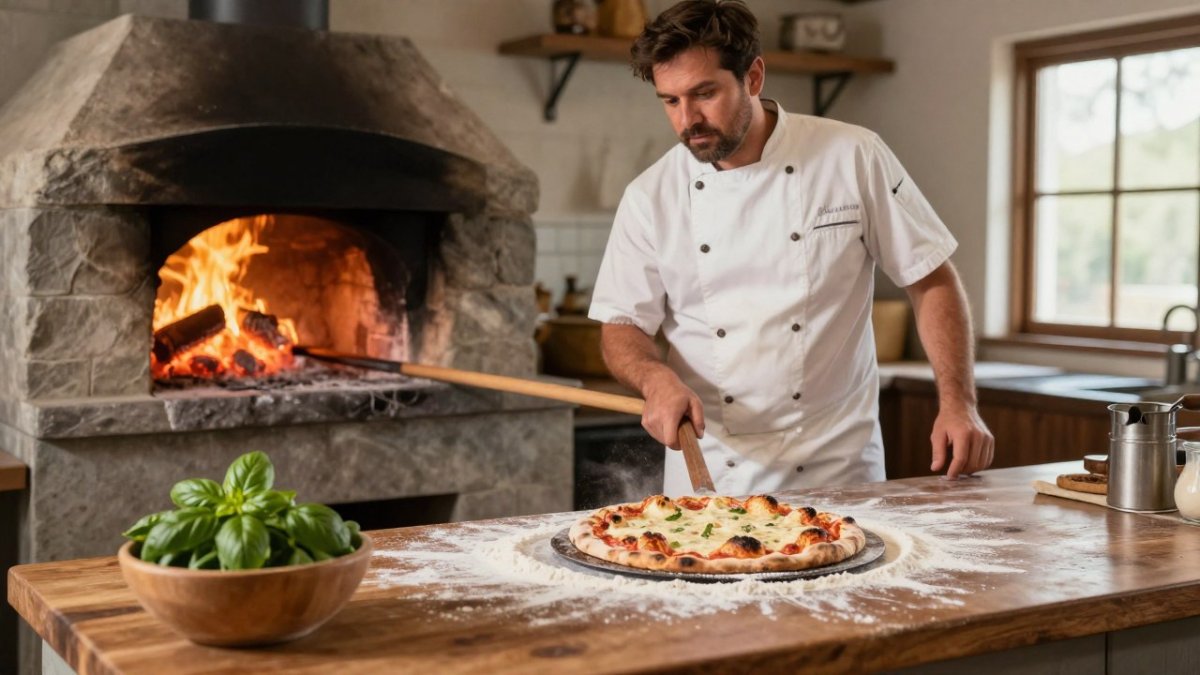
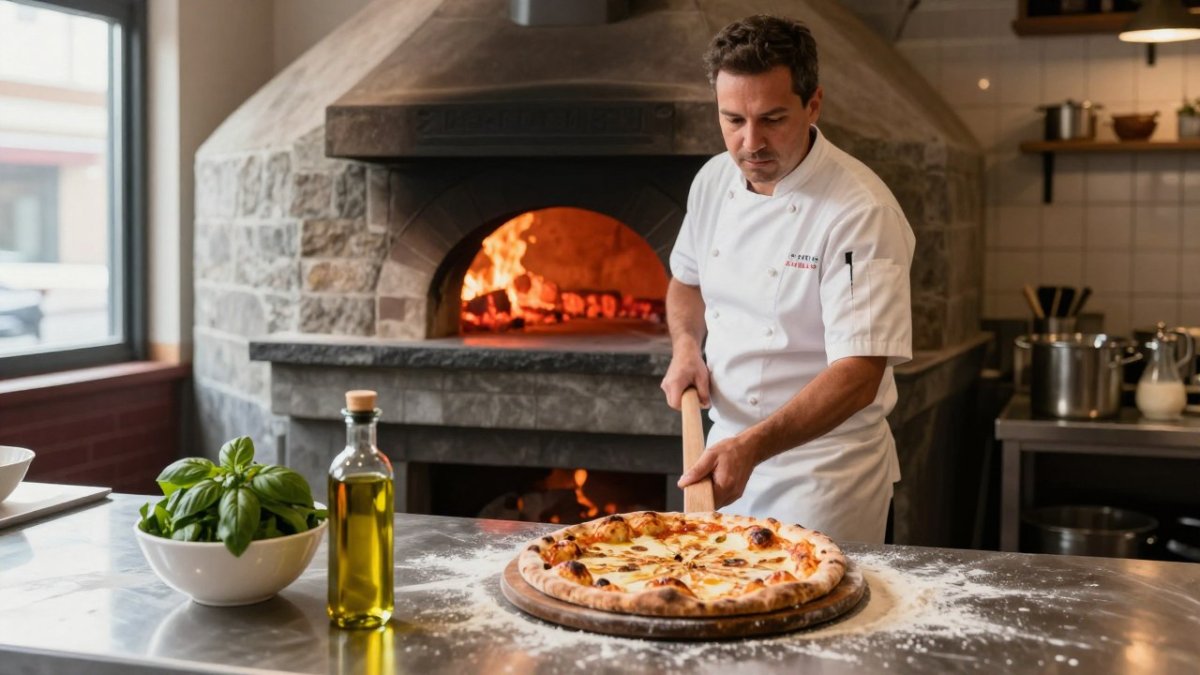
Scratch cooking has real trade-offs. Made-to-order food generally takes longer. A wood-fired pizza needs time to proof, fire, and finish. A fresh burger patty cooks to order instead of being pulled from a warmer.
Consistency is the second trade-off. Because a human makes each batch, a scratch sauce can vary slightly visit to visit. Some diners love that; others want the exact same plate every time.
Cost is the third. If you're weighing how these trade-offs play out in current menus, our piece on gourmet comfort food menu trends covers where scratch-style kitchens are heading.
Watch out: the biggest mistake diners make is judging a scratch kitchen on speed alone. A slow plate and a bad plate are different problems, and confusing them leads you to the wrong conclusion.
Book a Table and Judge the Scratch Kitchen Yourself
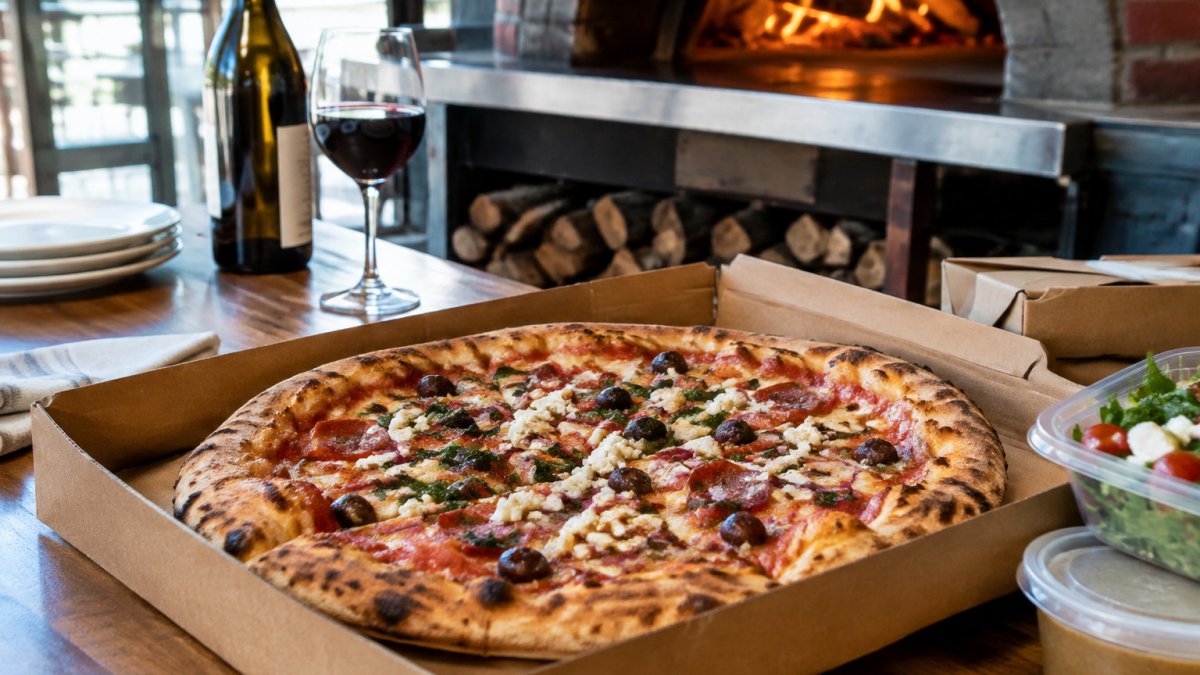
The only real test of whether scratch kitchen food is worth it happens at the table, with a fork in your hand. We'd rather you judge us on the plate than on a menu claim. At Pyke's Crossroads Restaurant, our 95% scratch kitchen puts an imaginative twist on traditional home-cooked dishes, our wood-fired pizza ovens were imported from Italy, and our bar pours from over 60 beers with a focus on Texas-made craft brews and 9 rotating taps. Add live music from local artists, and you have a night out that earns the drive.
Come for an anniversary, a weekend family meal, or a craft beer and a pizza fresh from the fire. Get started with Pyke's Crossroads Restaurant and taste the difference a scratch kitchen makes for yourself.
Frequently Asked Questions
Are scratch kitchens healthier?
They can be, but the label alone does not guarantee it. Scratch cooking means ingredients are prepared in-house rather than reheated from a package, which usually means fewer preservatives and added sodium. The health outcome still depends on what the kitchen puts on the plate: a scratch-made burger with fries is not automatically lighter than a frozen alternative. Ask about cooking methods, portion sizes, and whether sauces and dressings are made in-house, and share any dietary needs with your server before ordering.
Is scratch cooking better than frozen food?
For flavor and texture, scratch cooking usually wins because ingredients are prepared close to service time. Frozen and pre-made foods are built for consistency and speed, and they can taste flat once reheated. That does not make every frozen product bad, and a busy kitchen may use some prepared components. The practical test is the menu: dishes that change with the season and sauces, dressings, and desserts made in-house point to a real scratch operation. Compare a few plates on the same visit and judge for yourself.
How can you tell if a restaurant really cooks from scratch?
Look past the sign and check the details. A scratch kitchen typically has a shorter menu, because every dish takes labor. Ask your server which items are made in-house, and listen for specifics about sauces, dough, dressings, or desserts. Read recent customer reviews for mentions of freshness and flavor rather than speed. If a kitchen can tell you what went into a dish and how it was prepared, that is a stronger signal than any slogan on the wall.
Are scratch kitchens more expensive?
Often, yes, because labor and food costs are higher when a kitchen preps ingredients instead of opening packages. That does not mean the meal is a worse deal. Compare portion size, ingredient quality, and the overall dining experience rather than the menu price alone. A scratch kitchen that makes its dough, sauces, and desserts in-house is charging for work you can taste. Ask what a typical meal includes, and weigh the price against the full experience, including service and atmosphere.