 Listicle
How to Plan a Scratch-Made Comfort Food Menu
Last Updated: November 8, 2026
Quick Summary
Plan a scratch-made comfort food menu by pairing one anchor dish with sides built from whole ingredients, then sequencing the work so the longest item starts first. Build weeknight menus around one-pot mains, and prep stock, browned meat, and casseroles ahead so evenings feel like assembly.
- Scratch cooking means preparing dishes from whole, basic ingredients rather than reheating canned, boxed, or frozen food.
- Pick two menus a week to make fully from scratch and let leftovers carry the rest.
- Bake meatloaf at 350°F until the center registers 160°F, about 55 to 65 minutes for a 2-pound loaf.
- Build every menu around a main that needs the oven, a stovetop side, and a make-ahead dish.
- A weekend stock pot is the highest-return prep habit; freeze stock in portions for months.
Table of Contents
- Meals From Scratch Meaning: What Actually Counts
- Simple Scratch-Made Comfort Food Menu Ideas for Busy Weeknights
- Classic Comfort Food Recipes Every Menu Should Include
- Healthy Scratch-Made Comfort Food Menu Ideas That Still Satisfy
- Building a Full Menu: Mains, Sides, and Timing
- Prep-Ahead and Make-Ahead Steps That Save Your Evening
- Scratch-Made Substitutions for Convenience Ingredients
- Tasting a Scratch Kitchen in Person at Pyke's Crossroads
- Frequently Asked Questions
Meals From Scratch Meaning: What Actually Counts
Scratch made comfort food menu ideas start with one honest definition: scratch cooking means preparing a dish from whole, basic ingredients rather than opening a can, a box, or a frozen bag and reheating it.
It sounds simple. In practice, "scratch" gets stretched thin. A kitchen that browns pre-formed meatballs and calls the spaghetti homemade is technically cooking. It is not scratch.
That gap matters more than most people realize. The USDA food labeling and ingredient guidance makes clear how much processing hides behind convenience products, and diners have started reading labels the way they read menus.
For anyone planning a comfort food menu at home, the practical test is refreshingly blunt:
- Can you name every ingredient in the dish without reading a package? If yes, it is scratch.
- Did the stock come from a pot or a carton? Carton stock is fine for a Tuesday. It is not scratch.
- Was the dough mixed in your kitchen? Store-bought pie crust is a shortcut, not a sin, but call it what it is.
If you want to sharpen your eye before your next night out, this guide to the 7 signs a restaurant is a true scratch kitchen walks through what to look for in the dining room. For a deeper definition of what separates real scratch cooking from marketing language, see what defines an authentic scratch kitchen.
Simple Scratch-Made Comfort Food Menu Ideas for Busy Weeknights
Weeknight scratch cooking works when you pick dishes that reward one pot and little attention, then pair them into complete menus so you are not deciding sides at 6 p.m.
Here are three complete weeknight menus, each built from scratch with a realistic time and effort estimate, assuming ingredients are already in the kitchen.
Menu 1: One-Pot Chicken and Rice with Skillet Green Beans and Drop Biscuits
- Main: Sear bone-in chicken thighs skin-side down until the fat renders, then add rice, stock, onion, garlic, and thyme and let the pot finish. Active 20 minutes, total 50, one pot plus one skillet, moderate effort.
- Side: Green beans blistered in the chicken skillet with olive oil and salt while the rice rests. Five minutes.
- Bread: Scratch drop biscuits mixed in one bowl and baked while the rice finishes. Fifteen minutes active.
- Why it works: The chicken seasons the rice, the skillet is already hot, and the biscuits fill the oven without a second thought.
Menu 2: Ground Beef Curry with Potatoes, Cucumber Salad, and Warm Flatbread
- Main: Brown ground beef, bloom curry powder or garam masala in the fat, then simmer with potatoes, tomatoes, and stock until tender. Active 25 minutes, total 45, one pot, easy effort.
- Side: Cucumber, red onion, vinegar, and salt, tossed while the curry simmers. Five minutes, no heat.
- Bread: Scratch flatbread mixed and rested during the simmer, then cooked in a dry skillet. Twenty minutes active, mostly hands-off.
- Why it works: The curry is better the next day, so make a double batch and reheat it later in the week.
Menu 3: Baked Pasta with Quick Tomato Sauce, Scratch Caesar, and Garlic Bread
- Main: Simmer canned whole tomatoes with garlic and olive oil while the pasta boils, then toss, layer with grated cheese, and bake until the top browns. Active 30 minutes, total 55, one pot plus one baking dish, moderate effort.
- Side: Caesar dressing from scratch, whisked while the pasta bakes. Ten minutes.
- Bread: Scratch garlic bread from a loaf baked earlier in the week or a quick dough. Ten minutes active.
- Why it works: The sauce and salad both come together during oven time, so nothing waits.
Scratch cooking is not all-or-nothing. Pick two menus a week to make fully from scratch and let leftovers and simple meals carry the rest.
Watch out: do not stack three oven-dependent menus in the same week. Roasts, casseroles, and baked pasta all want the oven for an hour or more, and the schedule collapses when they compete for the same window.
Classic Comfort Food Recipes Every Menu Should Include
A comfort food menu earns its name by covering the classics, the dishes people order when they want to feel cared for.
Fried chicken. A buttermilk soak of at least 4 hours, a seasoned flour dredge, and steady oil temperature between 325°F and 350°F produce the crisp crust that defines the dish. Cook in batches so the oil does not drop, and check the thickest piece for 165°F before serving. USDA guidance on safe poultry handling and cooking temperatures is worth bookmarking before your first batch. Pair with scratch slaw and biscuits. Active time about 30 minutes, total about 1 hour plus the soak, moderate effort.
Chicken Parmesan. Pound cutlets thin, bread with flour, egg, and breadcrumbs, and pan-fry until golden.
Shrimp and grits. Cook stone-ground grits slowly with stock and butter, then sauté seasoned shrimp in a quick pan sauce of butter, garlic, and lemon.
Pick one anchor per menu and build sides around it. For guidance on which gourmet comfort food trends are worth adding to your menu, see gourmet comfort food menu trends.
Healthy Scratch-Made Comfort Food Menu Ideas That Still Satisfy
Healthy comfort food fails when it chases virtue instead of flavor. The better approach is to keep the dish's identity and adjust the details.
Start with these swaps:
- Roast instead of fry. Crispy oven-roasted chicken satisfies the fried chicken craving with far less cleanup.
- Build creaminess from vegetables. Puréed cauliflower or white beans thicken soups and casseroles without heavy cream.
- Use whole grains where they disappear. Barley in stew and whole wheat pasta in baked dishes go unnoticed.
- Season boldly. Acid, herbs, and heat carry a lighter dish. Under-seasoned healthy food tastes like punishment.
- Keep the sides generous. Roasted seasonal vegetables, big salads, and scratch-made slaw fill the plate.
Portion the heavier classics rather than banning them. A smaller slice of meatloaf with an extra scoop of vegetables is still comfort food, and it still satisfies. If you are weighing whether lighter or gourmet versions are worth the effort, this cost breakdown of gourmet comfort food gives you the real numbers.
Building a Full Menu: Mains, Sides, and Timing
A menu is a schedule as much as a list of dishes. The cooks who seem calm at dinnertime are not faster. They sequenced the work.
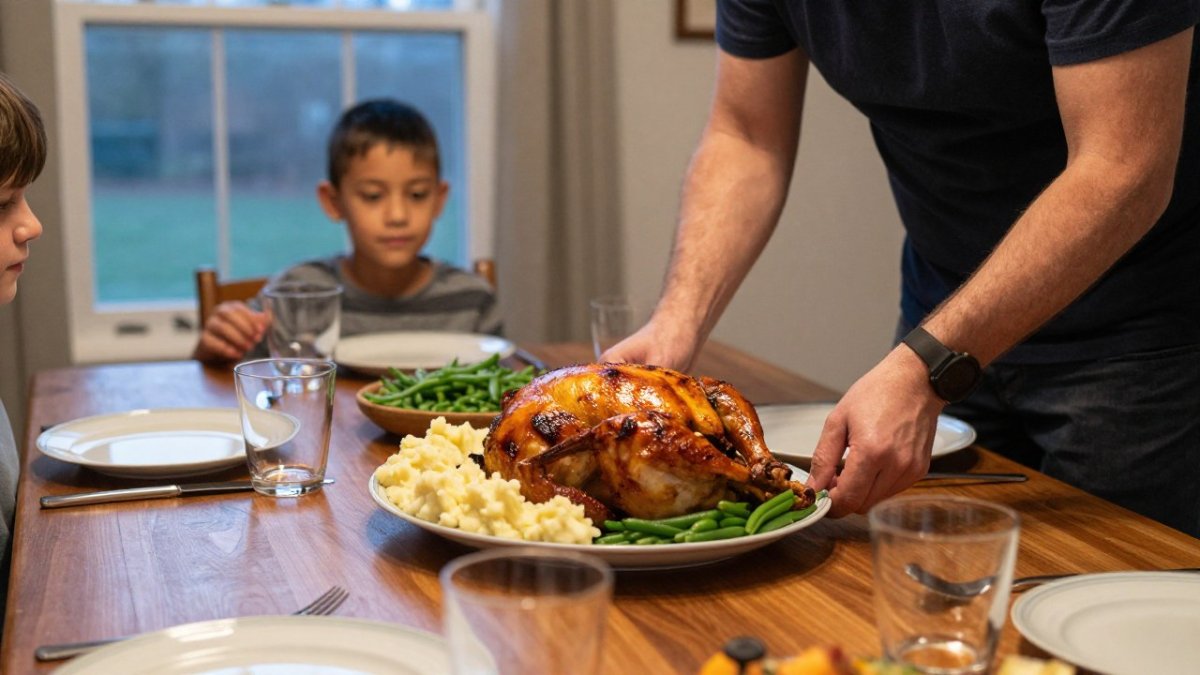
Build every menu around three layers: one main that needs the oven, one side that works on the stovetop, and one make-ahead dish that waits patiently. Roast chicken with mashed potatoes and green beans is the classic version; so is meatloaf with scalloped potatoes and roasted carrots.
Timing rules that save evenings:
- Start the longest item first. Roasts, braises, and casseroles own the oven for an hour or more.
- Stagger the stovetop. Mashed potatoes hold well covered; green beans take minutes at the end.
- Rest the main while you finish the sides. The roast needs the rest anyway.
Prep-Ahead and Make-Ahead Steps That Save Your Evening
Prep-ahead is the difference between a scratch kitchen and a takeout habit. Most comfort food freezes or holds beautifully, and the work splits naturally across the week.
| Make-Ahead Task | When to Do It | How Long It Keeps |
|---|---|---|
| Simmer and freeze stock | Weekend | Several months frozen |
| Brown ground beef for meatloaf or pie | Two days ahead | Three days refrigerated |
| Assemble casseroles unbaked | Night before | Two days refrigerated |
| Make and refrigerate pie dough | Up to three days ahead | Three days refrigerated |
| Chop vegetables for soups and stews | Two days ahead | Three to four days refrigerated |
| Bake and freeze biscuits | Weekend | Two months frozen |
The single highest-return habit is a weekend stock pot. Simmer chicken or beef bones with aromatics, strain, and freeze in portions, and every soup, stew, and pan sauce afterward starts from something real. Watch out: cooling a large pot of stock slowly on the counter is a food safety risk, so divide it into shallow containers and refrigerate promptly.
Scratch-Made Substitutions for Convenience Ingredients
Most convenience ingredients have a scratch equivalent that takes minutes and tastes better. You do not have to make everything, but knowing the swaps gives you options on the nights you have time.
- Cream of mushroom soup becomes a roux of butter and flour, whisked with stock and sautéed mushrooms.
- Boxed stuffing becomes torn bread cubes toasted with onion, celery, and herbs, moistened with stock.
- Store-bought broth becomes a quick pan stock from bones, or a vegetable simmer with scraps.
- Shredded cheese blends become cheese you grate yourself, which melts better without anti-caking starch.
- Bottled salad dressing becomes oil, vinegar, mustard, and herbs shaken in a jar.
A useful rule: substitute where the scratch version takes under ten minutes, and buy the shortcut where it takes an afternoon. Pie crust on a busy Tuesday is a fair trade. Gravy from a packet when you have pan drippings is not.
Tasting a Scratch Kitchen in Person at Pyke's Crossroads
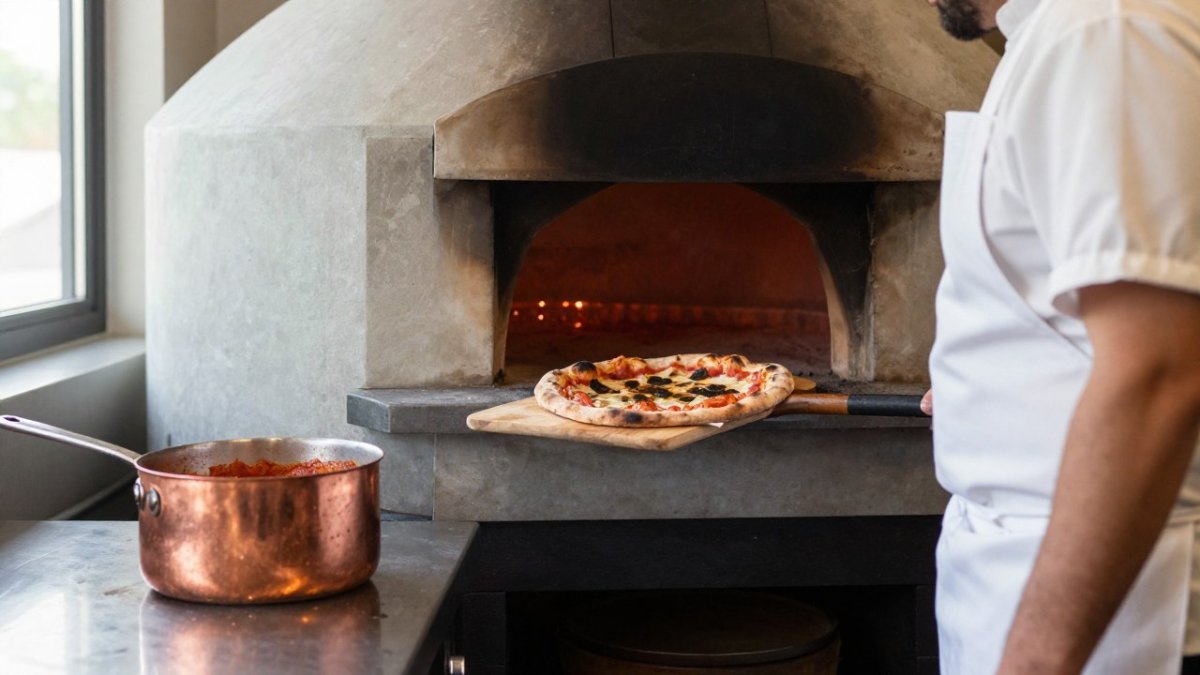
Some lessons about scratch cooking only land at the table. At Pyke's Crossroads Restaurant, the menu is built around a 95% scratch kitchen, with hand-crafted pizzas baked in wood-fired ovens imported from Italy, an extensive selection of over 60 beers with a focus on Texas-made craft brews, and live performances from local artists.
If you are deciding whether scratch kitchen food is worth the drive, this guide to 7 signs scratch kitchen food is worth it gives you the checklist before you go.
Scratch cooking asks for time, a stocked pantry, and a willingness to do a little more work than the box would require. The reward is comfort food that actually tastes like something.
Frequently Asked Questions
What is the difference between scratch-made food and frozen food?
Scratch-made food is prepared from raw ingredients in the kitchen, while frozen food is assembled in a factory, frozen, and reheated. The difference shows up in texture, seasoning control, and how the dish holds up on the plate. A scratch kitchen can adjust salt, fat, and spice to the dish rather than to a shelf-life target. When you build a comfort food menu at home, choosing scratch preparation usually means fresher flavor and fewer stabilizers, though it takes more hands-on time.
What are easy comfort foods to make from scratch?
Start with dishes that need few components: mashed potatoes, macaroni and cheese from a roux, roasted chicken thighs, skillet cornbread, and beef stew built in one pot. These recipes rely on pantry staples and forgiving techniques, so a beginner can produce a satisfying plate. Pair one slow dish with two quick sides to keep the evening manageable. A simple scratch-made comfort food menu ideas list usually leans on these low-risk, high-reward dishes first.
How can you make comfort food healthier without losing the appeal?
Keep the format and adjust the details. Roast instead of deep-frying, use whole-grain pasta or half cauliflower in a mash, season with herbs and citrus instead of extra salt, and serve vegetables alongside rather than buried under cheese. Portion the rich elements, like gravy or butter sauce, on the side so guests control the amount. Healthy scratch-made comfort food menu ideas work best when the dish still tastes like the original, just lighter on fat and sodium.
How do you plan a comfort food menu for a group?
Pick one anchor main dish, two sides that cook at different times, and a make-ahead dessert. Check that your oven and stovetop are not overloaded at the same hour, and choose at least one dish that can sit covered for 20 minutes. For a crowd of 15 to 20, a buffet format with a braise, a starch, a vegetable, and bread works reliably. Call ahead if you are ordering from a scratch kitchen so they can plan quantities and timing.